.jpg)
Key Highlights
- Scalenut vs Ahrefs comes down to execution versus research, with Scalenut built to improve AI visibility while still supporting traditional SEO workflows.
- If your content strategy relies on shipping faster, Scalenut connects prompt insights to creation and optimization, while Ahrefs stays more research and analysis focused.
- Ahrefs remains a strong keyword research tool for competitive discovery, but Scalenut is better for turning opportunities into publishable content for your target audience.
- For improving your website’s performance across Google search and AI answers, Scalenut’s workflow helps you move from insights to actions without constant tool switching.
- Ahrefs leads for deep backlink and competitor research, but Scalenut covers more of the end-to-end process that drives search engine rankings.
- Pricing often favors Scalenut for smaller teams, since it bundles GEO plus SEO execution without needing many additional tools.
- If you want the right tools to monitor and improve AI visibility and content output in one place, Scalenut is the more practical choice for day-to-day execution.
Picking between Ahrefs and Scalenut can feel like you are choosing between two different playbooks. One promises deep SEO research and competitive intel. The other focuses on turning AI visibility insights into content updates you can actually ship. If you are responsible for growth, that difference matters, because the wrong choice usually shows up a few weeks later as stalled output and unclear results.
The problem is that SEO is no longer just about ranking pages. You still need keyword and competitor data, but you also need to understand how your brand shows up in AI-generated answers, what sources those systems trust, and what content gaps are keeping you out of the conversation. That is a lot to manage, especially when the workflow is spread across too many tools.
This blog breaks it down in a practical way. We’ll compare Ahrefs vs Scalenut across core SEO features, AI visibility and GEO capabilities, real user feedback, pricing, and the key gaps you should know before committing. By the end, you will have a clear, decision-ready view of which platform fits your goals.
What Is Scalenut?
Scalenut is an AI-powered GEO and SEO platform built to help you improve how your brand shows up in AI-generated answers, while still strengthening traditional SEO. Instead of treating AI visibility as a separate dashboard, it connects what you learn from AI search behavior to the content and on-page work that actually moves the needle.
In practical terms, Scalenut supports the full workflow from research and planning to writing, optimization, and performance tracking. That makes it useful for teams that want both monitoring and execution in one place, so you can identify visibility gaps, create content that is easier to cite, and keep improving based on real signals.
What Are The Core GEO Features Of Scalenut?
Scalenut brings GEO and AI visibility into a practical workflow, so you can track how your brand shows up in AI answers and then act on what you learn. Below is a clear snapshot of the capabilities that make it feel like a complete GEO and SEO platform, not just a monitoring dashboard.
1. AI Brand Visibility And Monitoring
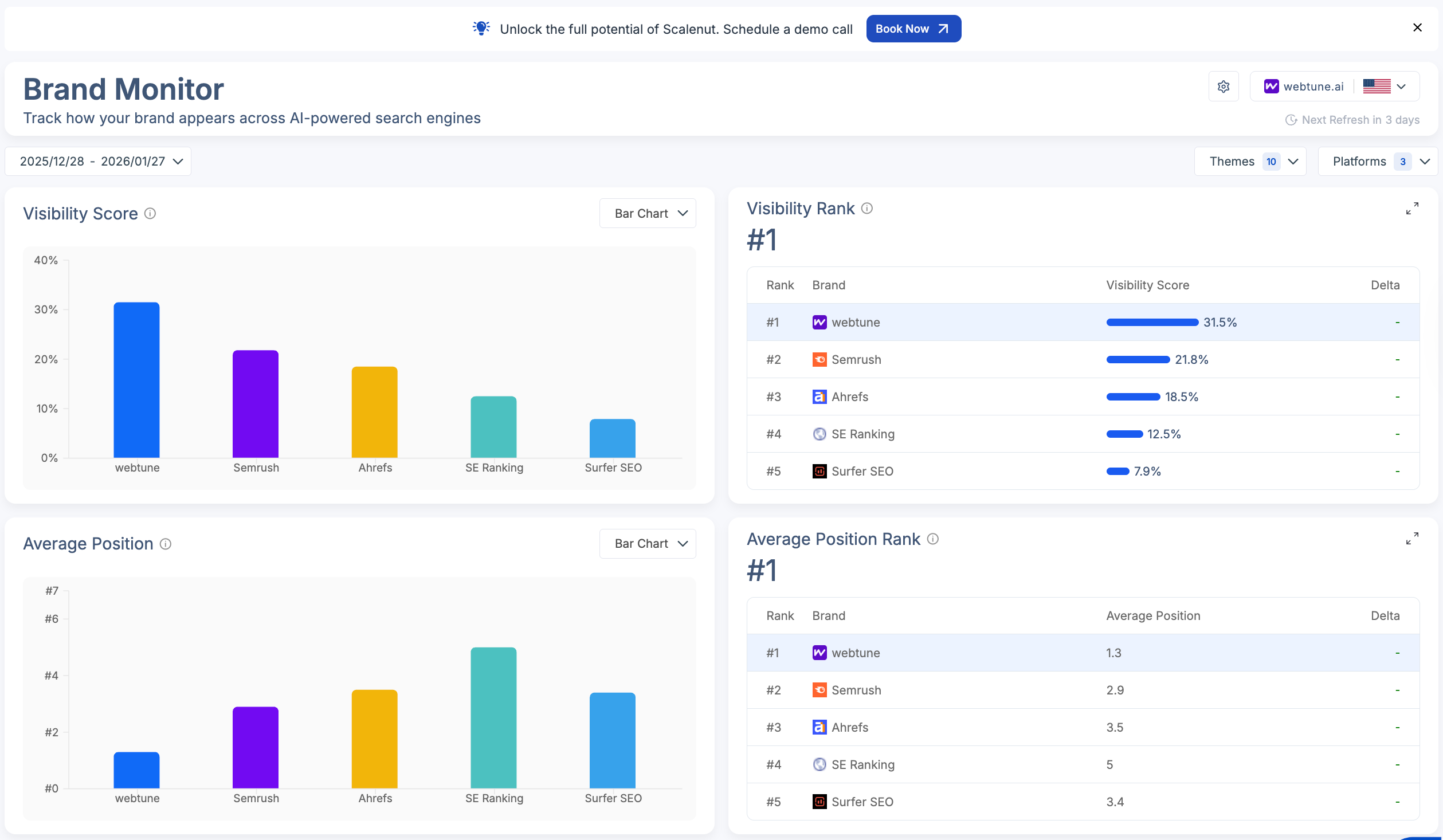
Scalenut’s Brand Monitor helps you understand how your brand appears across AI search platforms. It focuses on visibility, prominence, and competitive context through metrics like:
- Visibility Score: Frequency of your brand mentions compared to competitors
- Average Position: Typical placement of your brand within AI-generated answers
- Share of Voice: Portion of the AI response space your brand captures
- Visibility Heatmap: Mention patterns across platforms like ChatGPT, Claude, and Perplexity
- Brand Visibility Rank: Overall performance across key SEO themes and AI prompts
2. Prompt Level Insights And AI Search Intelligence
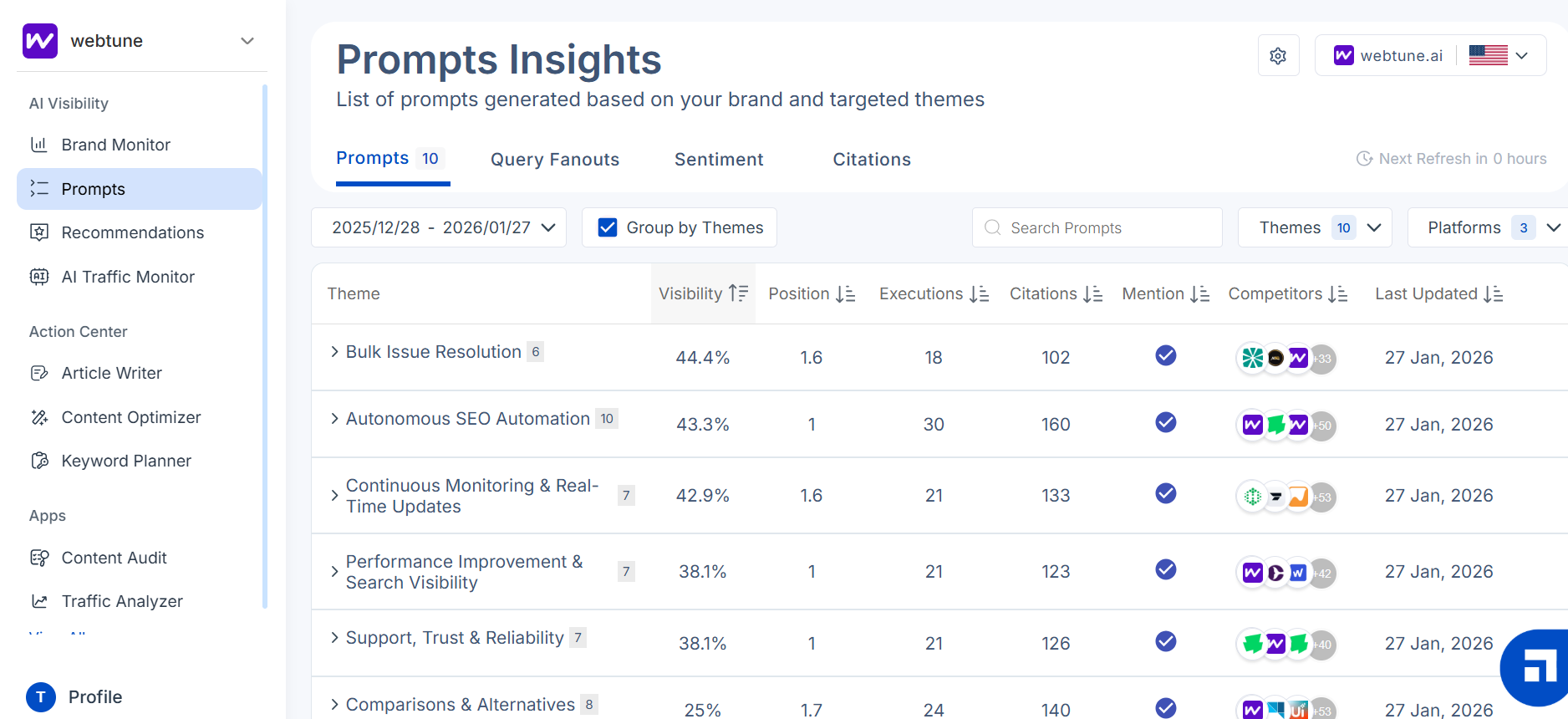
Prompt Insights shows what happens inside AI prompts, so you can see where you are showing up, where you are missing, and what is driving outcomes. Key capabilities include:
- Prompt Tracking: Shows where your brand is mentioned, its ranking, supporting citations, and competing brands
- Query Fanouts: Maps how one question expands into multiple related AI-generated queries
- Sentiment Analysis: Identifies whether brand mentions appear positive, neutral, or negative
3. Actionable AI GEO/SEO Recommendations
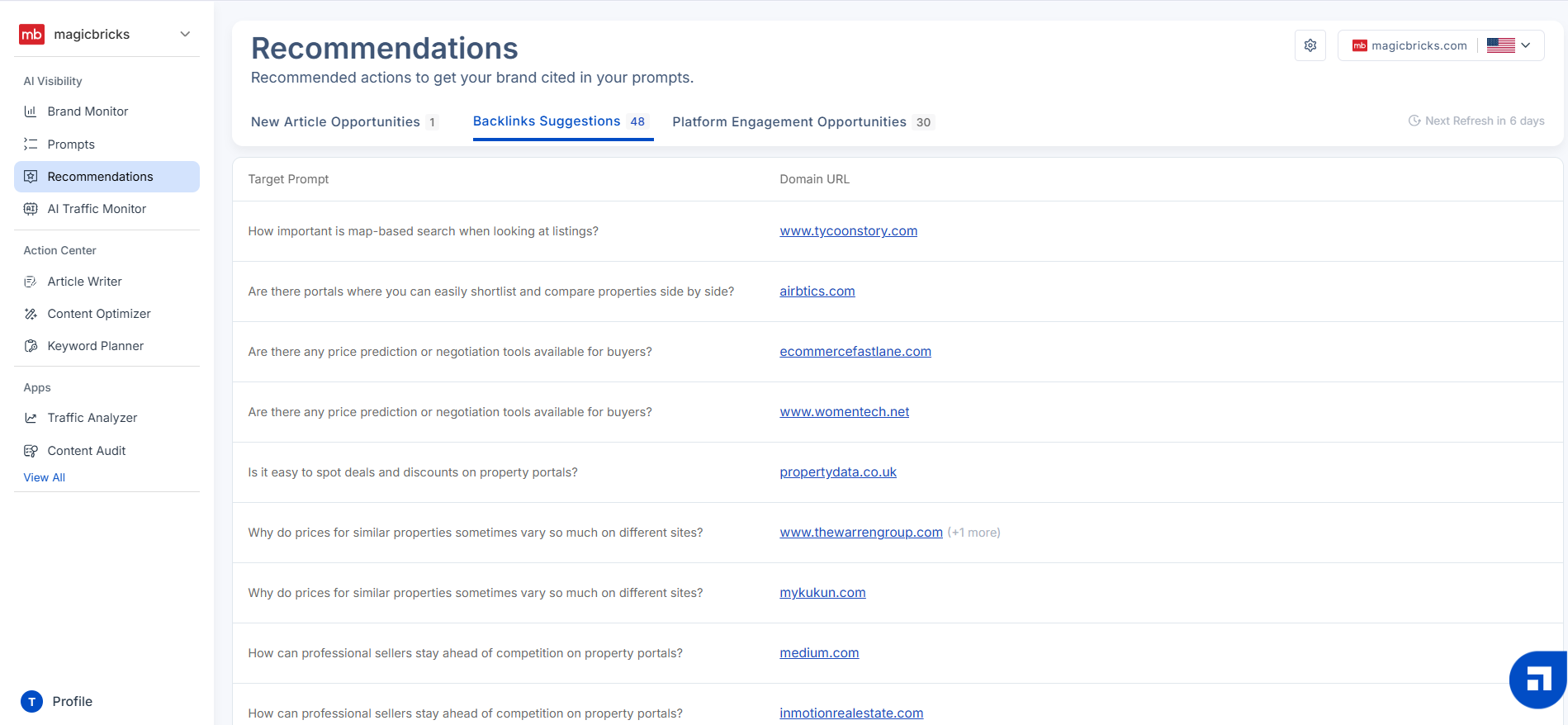
Scalenut’s Action Center is built to turn visibility insights into next steps you can execute. It focuses on actions like:
- New Article Ideas: Surfaces content opportunities based on high-intent keywords and real AI-driven questions people are asking
- Backlink Suggestions: Identifies link opportunities that can strengthen authority and overall visibility
- Platform Engagement Opportunities: Highlights places like Reddit discussions where participation can help drive mentions and earn citations
4. AI Traffic Monitoring And LLM Interaction Tracking
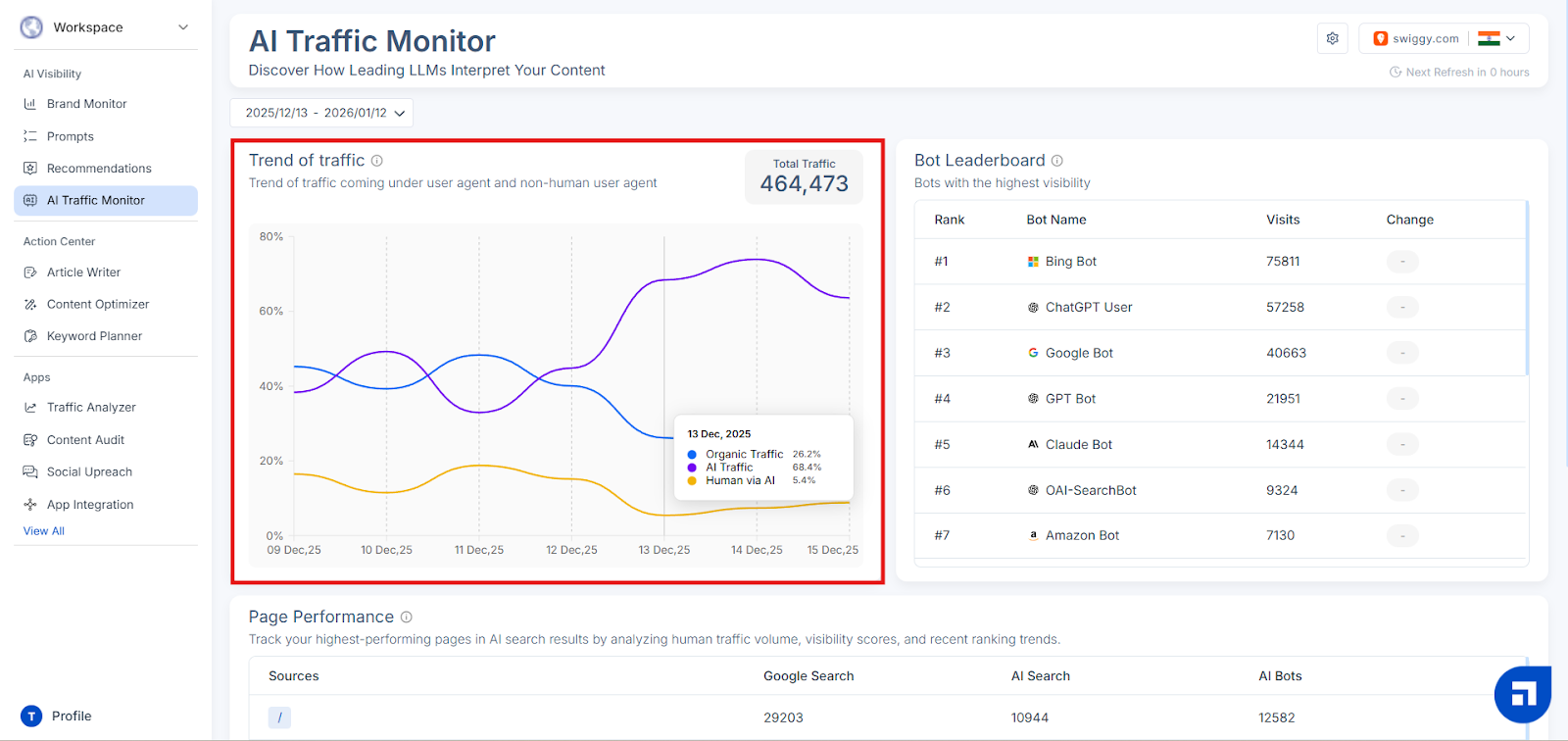
AI Traffic Monitor helps you understand activity from AI bots such as ChatGPT and Gemini, so you can spot patterns in how AI systems interact with your site. It includes:
- Cloudflare Integration: Helps enable and strengthen AI traffic tracking
- Top Sources: Highlights which AI agents visit your site and how frequently
- Top Pages: Identifies the content most actively accessed by AI models
- AI Visit Trends: Tracks how AI-driven traffic and visibility signals change over time
5. Core GEO And Content Workflow Features
Scalenut also includes the core tools that support research, writing, optimization, and site improvements, so GEO insights do not sit in a silo.
A) Content Creation And Optimization
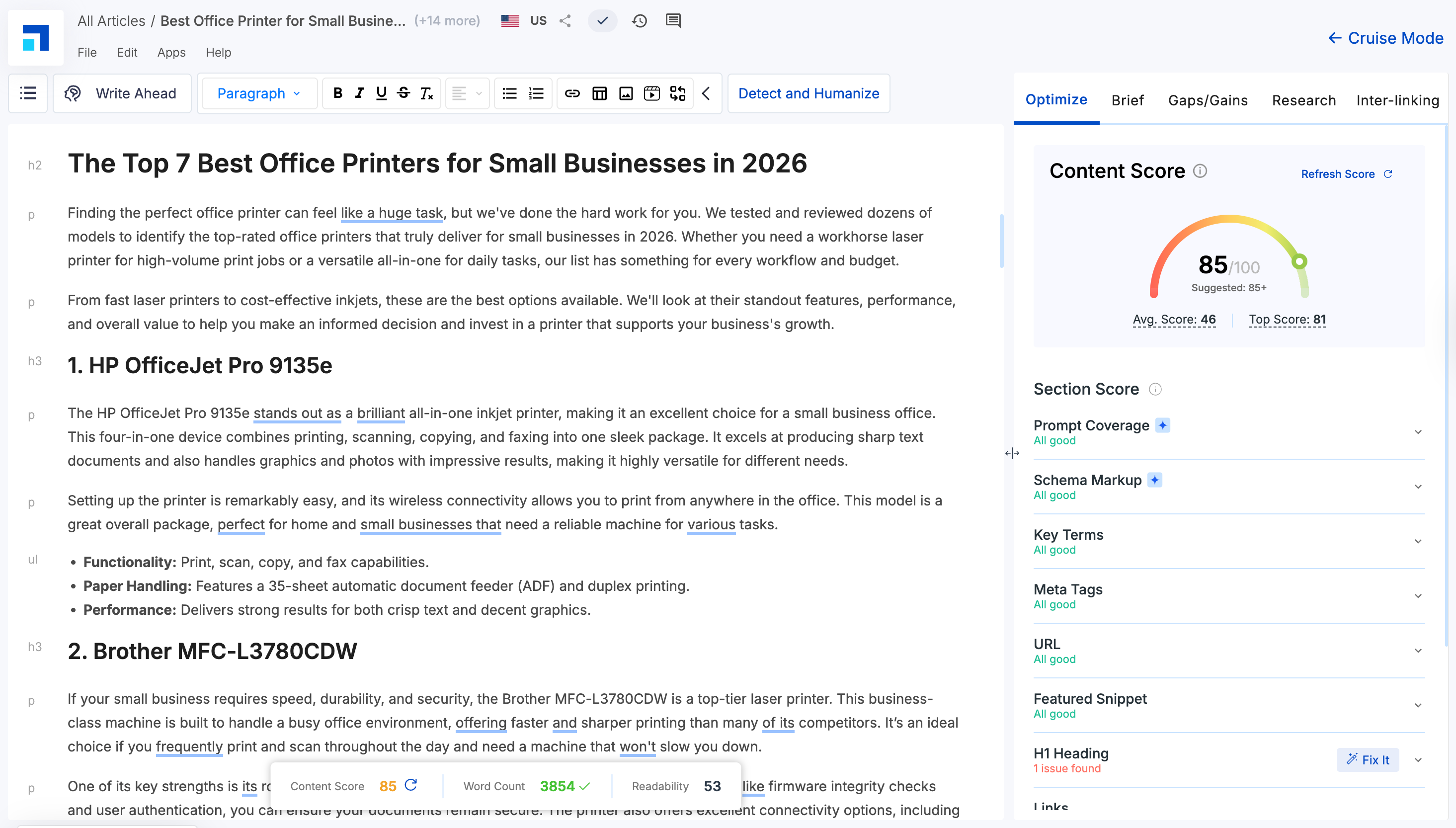
- Cruise Mode: Generates outlines and drafts using SERP and GEO insights
- Content Optimizer: Pinpoints improvements needed to strengthen on-page SEO performance
- AI Humanizer: Refines AI-written text to sound more natural
- Content Scoring: Evaluates intent alignment, topical depth, structure, keyword usage, and internal linking quality
B) SEO Research And Planning
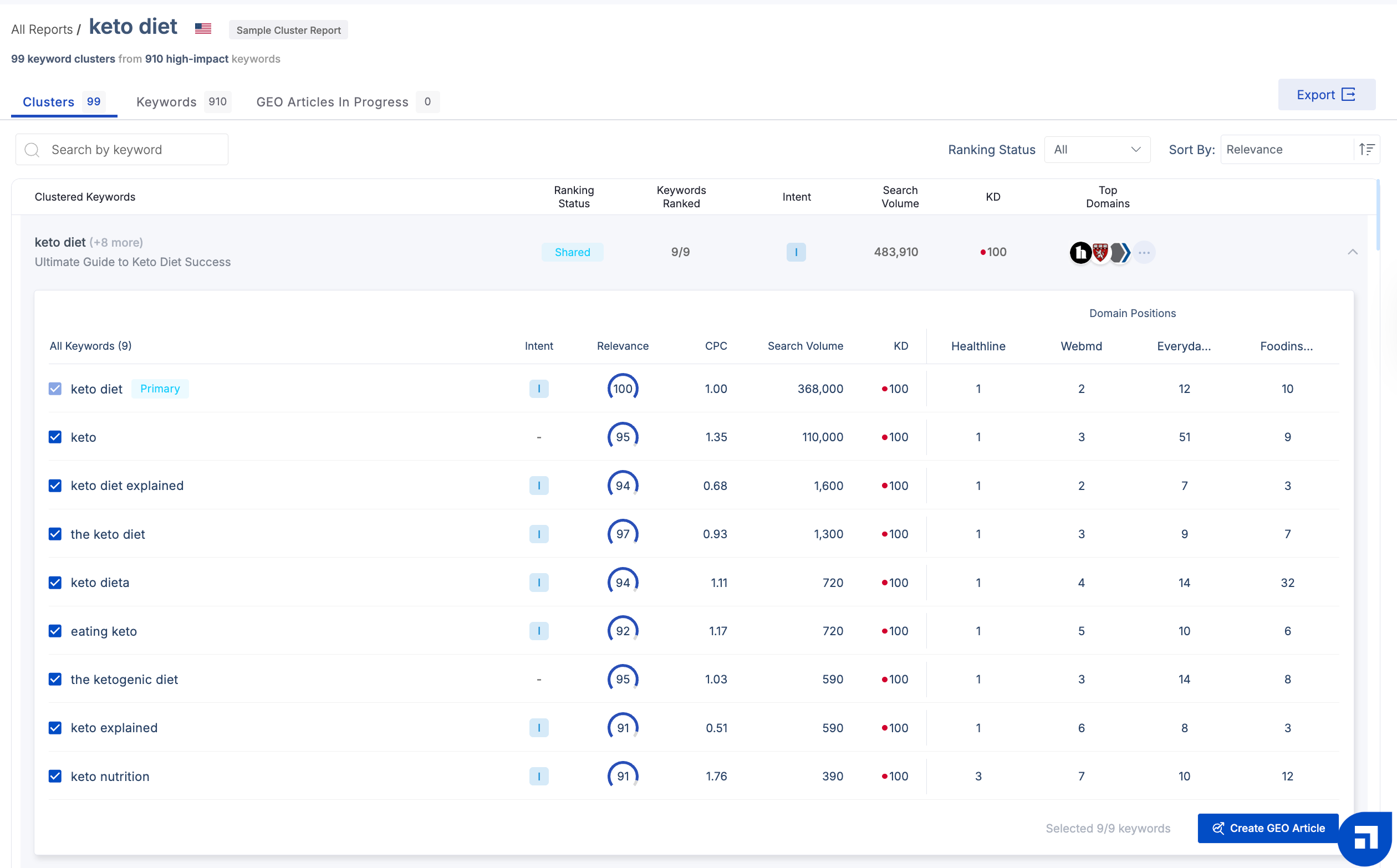
- Keyword Planner: Clusters keywords by search intent and shows competitor coverage patterns
- Traffic Analyzer: Identifies top-performing pages, content gaps, and quick-win opportunities
- Content Audit: Reviews existing pages and provides clear recommendations for improvement
C) Technical SEO And Linking
- Link Manager: Helps you organize and strengthen internal linking
- On-Page Pro: Evaluates meta titles and descriptions against top-ranking results
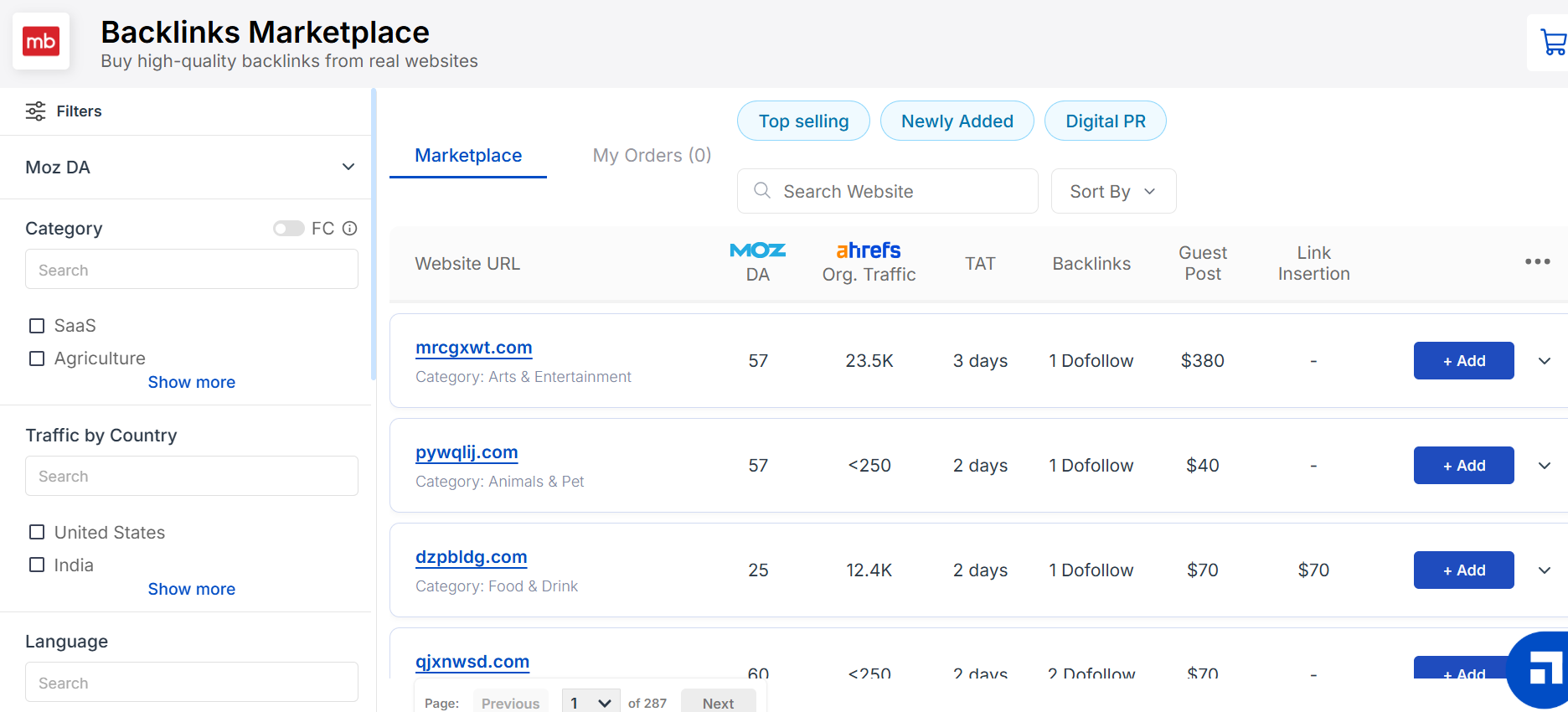
- Backlinks Marketplace: Enables you to discover and purchase high-quality backlinks directly
Book a Scalenut demo to see how its GEO plus SEO workflow can improve your visibility in AI answers and traditional search.
Scalenut Reviews: What Are Users Really Saying?
“What I like best about Scalenut is how seamlessly it combines keyword research, content planning, and AI writing in one platform. It saves me hours of time and ensures my articles are fully optimized to rank. The Cruise Mode feature especially helps me go from idea to publish-ready in one sitting.”, says Joey W, Director
Scalenut users consistently call out how easy it is to use Scalenut, especially when they need to move fast from idea to draft without getting stuck in a complicated workflow.
What stands out most is the value users see in content creation and SEO support. Many users also highlight effective content generation, helpful AI writing assistance, and AI features that pair well with SEO optimization, including the ability to combine keyword research with AI writing for a smoother end-to-end process.
Want a closer look at Scalenut in real workflows? Check out our Scalenut review to see how its GEO and SEO toolkit helps you improve visibility in traditional search and AI-generated answers.
What Is Ahrefs?
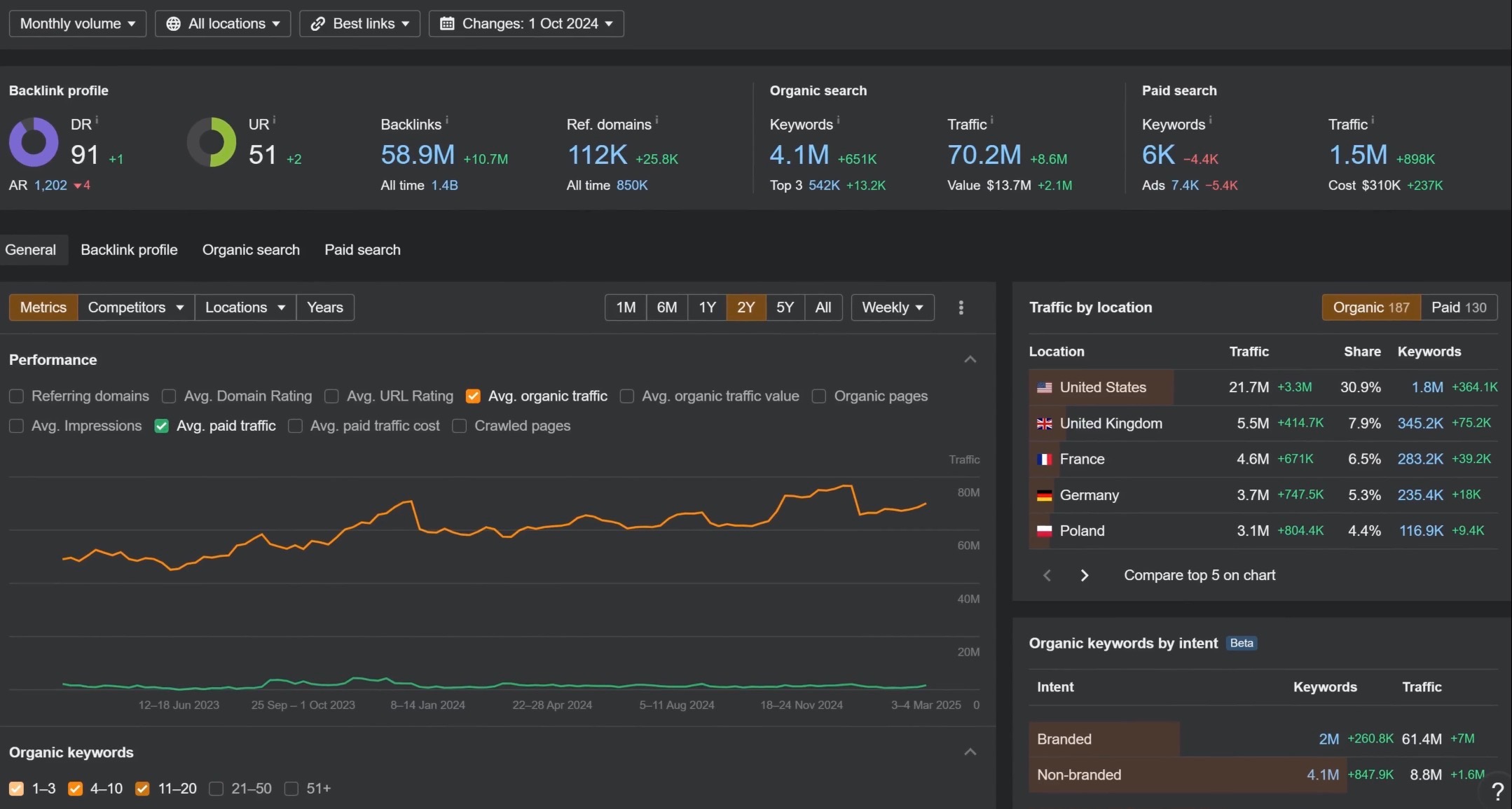
Ahrefs is an all in one SEO platform built for researching what is driving search growth, especially through backlinks, keywords, and competitor insights. It is widely used to understand why certain pages rank, where competitors earn links, and which topics are worth targeting next.
Beyond core SEO research, Ahrefs has started leaning into AI era visibility with features like Brand Radar, which is positioned for tracking brand visibility in LLMs and AI search experiences. It also supports ongoing SEO work through site audits, rank tracking, content discovery, and reporting so you can prioritize fixes with data you can act on.
What Are The Key Features Of Ahrefs?
Ahrefs is an SEO intelligence platform built for research and competitive analysis, from backlinks and keywords to technical audits and rank tracking. It has also started moving into AI visibility with Brand Radar, which Ahrefs positions for tracking brand visibility in LLMs.
Below are the key Ahrefs features:
Keywords Explorer
Helps you discover keywords and prioritize them with Ahrefs’ metrics, so you can plan topics, estimate difficulty, and build a stronger search-driven content roadmap.
Site Explorer
Ahrefs’ competitive research hub for analyzing a website’s organic search presence and link profile, making it easier to spot what is driving growth and where you can compete.
Site Audit
Crawls your site and flags technical and on-page issues, then organizes fixes by priority so you can improve overall site health and crawlability.
Rank Tracker
Tracks keyword rankings over time so you can monitor performance changes, measure progress, and validate whether your SEO work is moving results.
Content Explorer
Helps you find proven content opportunities by uncovering pages that earn traffic and links, which is useful for ideation, content refreshes, and outreach planning.
Backlink Analysis
Backlink analysis lets you evaluate who links to whom, identify link quality patterns, and uncover link opportunities. This is one of Ahrefs’ most widely used strengths.
Competitive Analysis
Supports side-by-side comparisons across keywords, content, and link profiles so you can identify gaps, find quick wins, and prioritize what to build next.
Reporting And Dashboards
Pulls key SEO metrics into a clearer view so you can track progress and communicate performance without stitching together multiple tools.
Web Analytics
Ahrefs’ lightweight analytics option, positioned around aggregated insights with a “no cookies” approach and an emphasis on not collecting identifiable personal data.
Brand Radar
Ahrefs’ AI visibility layer, positioned for tracking brand visibility in LLMs and AI search experiences so you can understand whether your brand is being surfaced in AI-driven discovery.
Ahrefs Reviews: What Do Real Users Think?
“Ahrefs is insanely reliable when it comes to SEO data. the backlink index is one of the strongest in the industry, and the keyword research data feels very close to real-world rankings and traffic. I especially like how fast and clean the UI is - Site Explorer and Keywords Explorer make it very easy to spot opportunities quickly.”, says Shiv C on G2
Ahrefs is praised for its accurate backlink data and clean, user-friendly interface, which makes SEO research and competitor analysis feel faster and more straightforward. Many reviews also highlight how it simplifies complex tasks and helps teams pull quick insights for smarter decisions.
That said, a common limitation is cost, with users frequently describing Ahrefs as expensive, especially for freelancers and smaller businesses. Some feedback also points to gaps around limited features for certain workflows, plus occasional concerns about data accuracy depending on the report or use case.
“The pricing can feel expensive for solo founders or early-stage teams, and the credit-based usage model sometimes limits deep exploration. I also wish there were more flexible plans or add-ons instead of strict tiers.”, also says Shiv C on G2
Scalenut Vs Ahrefs: How Do Pricing Plans Compare?
How Much Does Scalenut Cost?
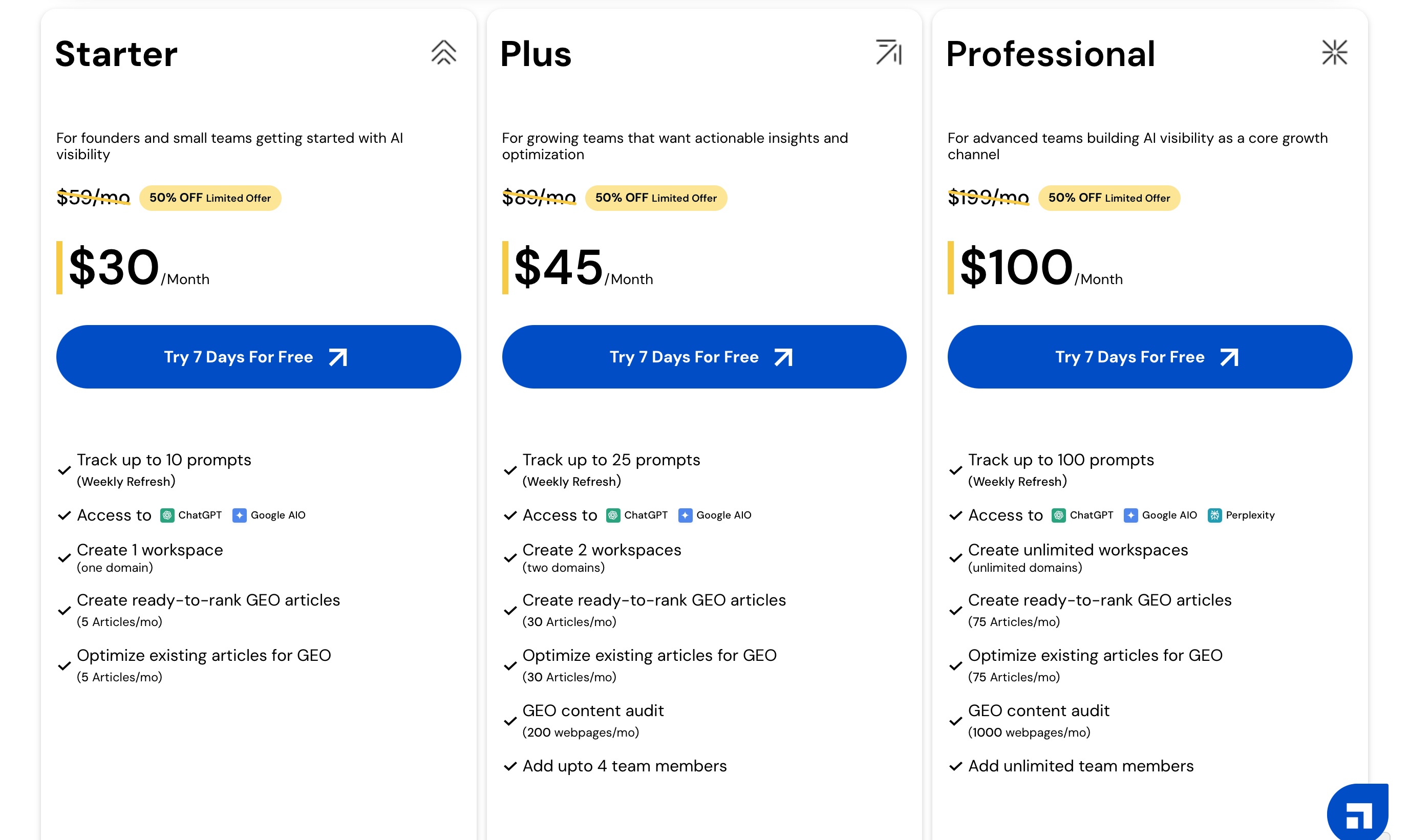
Scalenut’s pricing is straightforward, with three plans designed around how much AI visibility tracking and GEO execution you need. The Starter plan begins at $30/month, Plus is $45/month, and Professional is $100/month, with higher tiers unlocking more prompt tracking, workspaces, and GEO content limits. You can also try it first with a 7-day free trial.
Not sure which plan is right for you? Talk to our experts and get a quick recommendation.
How much Does Ahrefs Cost?
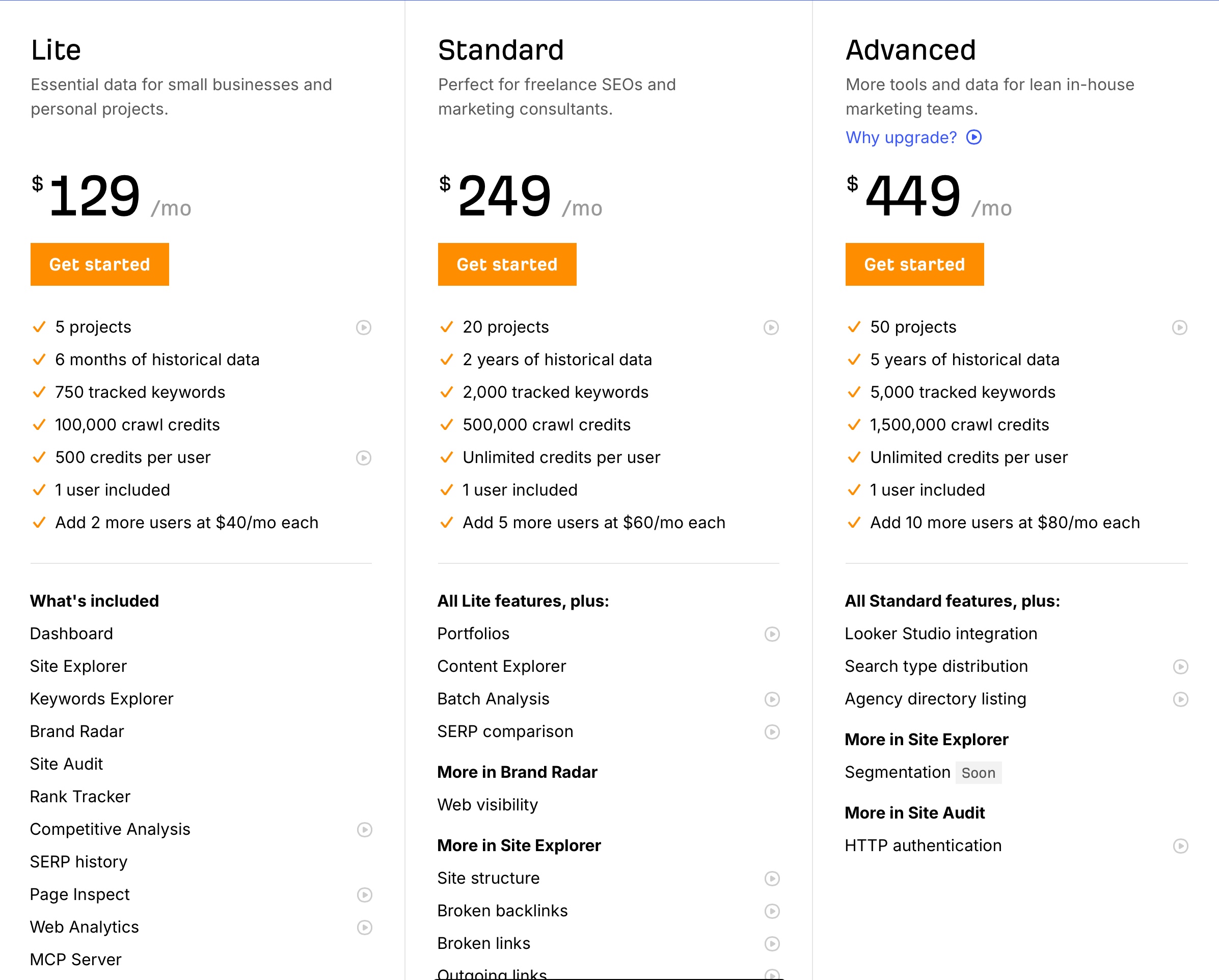
Ahrefs is priced for heavier SEO research workloads, with plans starting at $129/month for Lite, then $249/month for Standard, and $449/month for Advanced, with usage limits tied to projects, keyword tracking, and crawl credits. Compared to that, Scalenut is far more affordable for smaller teams, since you can get started at a much lower monthly cost while still covering GEO plus SEO execution in one platform.
Scalenut Vs Ahrefs: Which Platform, Scalenut Or Ahrefs, Offers Better Features For AI Powered GEO/SEO?
Now that we’ve covered the core features of both Scalenut and Ahrefs, let’s look at where they overlap and how those shared capabilities support teams navigating AI driven search. Both platforms bring strong SEO value, but Scalenut is built to connect AI visibility insights to execution more directly.
Does Scalenut Or Ahrefs Deliver Better Results For AI Visibility And Brand Discovery?
Scalenut Prompt Insights
Pros Of Scalenut Prompt Insights
- Monitors brand visibility at the prompt level, including competitors and performance across AI platforms.
- Shows Query Fanouts to map how one prompt expands into related questions and themes.
- Includes Sentiment Analysis to understand whether mentions appear positive, neutral, or negative.
- Surfaces citation signals so you can see what is influencing AI mentions and trust.
- Helps you turn prompt intelligence into a clearer content plan by organizing insights into themes and filters.
Cons Of Scalenut Prompt Insights
- Leans heavily into AI prompt intelligence, so teams may still use separate tools for deeper traditional rank tracking.
- The level of detail can feel like a lot at first if you are new to GEO reporting.
Ahrefs Brand Radar
Pros Of Ahrefs Brand Radar
- Tracks brand visibility in LLMs and AI search, making it useful for AI era monitoring.
- Supports competitive comparisons so you can see where competitors show up when your brand does not.
- Works well as an intelligence layer for teams that already rely on Ahrefs for SEO research.
Cons Of Ahrefs Brand Radar
- Monitoring is strong, but it is not as tightly connected to an end-to-end GEO execution workflow.
- Most GEO improvements still require switching into other tools to write, optimize, and refresh content quickly.
Read Our Blog On AI Monitoring Tools That Can Improve Your Workflow Here
My Verdict
Both platforms help with AI visibility, but Scalenut is the more execution focused option for teams that want to improve results, not just track them. It connects prompt insights to content creation and optimization in one workflow, which makes iteration faster and more practical.
Which Tool Has The Best Brand Monitoring?
Scalenut’s Brand Monitor
Pros Of Scalenut’s Brand Monitor
- Tracks visibility across multiple AI platforms for a clearer picture of brand presence.
- Benchmarks against competitors using visibility-focused metrics like Visibility Score, Share of Voice, and Average Position.
- Highlights platform level patterns so you can spot visibility gaps faster.
- Connects monitoring to themes and prompts, which makes it easier to prioritize what to improve.
Cons Of Scalenut’s Brand Monitor
- Data refreshes on a set cadence, so changes may not appear instantly.
- Teams get the most value when they actively use the insights to guide updates.
Ahrefs Brand Monitoring
Pros Of Ahrefs Brand Monitoring
- Useful for high-level benchmarking and competitive visibility comparisons across AI search experiences.
- Fits well for teams that already use Ahrefs heavily for SEO research and reporting.
Cons Of Ahrefs Brand Monitoring
- More insight-led than execution-led for GEO, so teams often need extra steps and tools to implement improvements.
- Better for diagnosing visibility gaps than for shipping fixes inside the same workflow loop.
Also Read: What Are The 10 Best Tools For Tracking Brand Visibility In AI Search Platforms?
My Verdict
For brand monitoring that leads directly to action, Scalenut has the edge. It not only shows visibility signals, but also connects them to prompts and optimization paths you can use to improve outcomes without slowing execution.
Which Tool Has The Best Action Recommendations?
Scalenut’s Cruise Mode To Generate And Optimize GEO/SEO
Pros Of Scalenut’s Cruise Mode
- Helps you go from topic to outline to draft faster using SERP and GEO inputs.
- Keeps execution centralized with Content Optimizer, AI Humanizer, and Content Scoring in the same workflow.
- Makes ongoing content updates and refreshes easier without tool switching.
Cons Of Scalenut’s Cruise Mode
- Works best with human editing for brand voice, accuracy, and nuance.
- You get stronger outcomes when intent, structure, and inputs are clearly defined.
Ahrefs AI Content Helper
Pros Of Ahrefs AI Content Helper
- Helps align content with search intent and top-ranking pages to reduce manual research.
- Supports topic coverage improvements through an in editor writing workflow.
Cons Of Ahrefs AI Content Helper
- More SERP focused than GEO-focused, so it is not designed to connect AI visibility outcomes directly to fixes.
- Teams prioritizing AI visibility may still need a more GEO native execution workflow.
My Verdict
Scalenut delivers the stronger action path for GEO because it is built to connect AI visibility insights to execution. Ahrefs provides excellent SEO intelligence and helpful content support, but Scalenut is better when your goal is improving AI visibility through a tighter create, optimize, and iterate loop.
What Is Missing In Ahrefs?
Ahrefs is excellent for SEO research and competitive intelligence, but it can feel more “insights first” than “execution first” when you are trying to improve AI visibility. If your goal is GEO, the gaps typically show up after you identify the opportunity and then have to switch tools to actually act on it.
1. Native End-To-End GEO Execution
Ahrefs can surface search engine optimization opportunities, but it does not give you a complete GEO workflow to go from prompt discovery to content creation to AI visibility improvement inside one guided flow.
2. Prompt Level Visibility That Connects To Actions
Ahrefs is leaning into AI visibility with Brand Radar, but it is not designed as a step by step prompt level system that ties visibility outcomes to clear, page-level fixes you can execute.
3. Built-In Content Writing And Optimization Workflow
Ahrefs is not a writing and content optimization suite. You will typically need separate tools for drafting, rewriting, scoring, and improving content for both SERP performance and AI citations.
4. AI Traffic Monitoring And LLM Bot Interaction Tracking
Ahrefs offers analytics options, but it is not built as an AI traffic monitor for bot activity and LLM visits in the way GEO-focused platforms position this capability.
5. Action Center Style Recommendations For GEO
Ahrefs delivers strong data, but it does not function like an Action Center that turns AI visibility signals into specific GEO tasks such as new article ideas based on AI questions, citation building opportunities, or platform engagement prompts.
6. Integrated Publishing And Refresh Workflows For GEO Content
Ahrefs supports research and tracking, but it does not natively cover publishing workflows or ongoing GEO content refresh recommendations in the same “create, optimize, update” loop.
Why Scalenut Is A Stronger Choice Over Ahrefs?
1. End-To-End GEO Execution In One Workflow
Scalenut connects AI visibility insights to execution, so you can move from prompt opportunities to content creation, optimization, and improvements without stacking separate tools.
2. Built For AI Visibility, Not Just SEO Research
Ahrefs is strongest for SEO intelligence, while Scalenut is designed to track how your brand appears in AI answers and guide what to fix to improve GEO performance.
3. Prompt Insights That Show What Is Driving Mentions
Scalenut’s Prompt Insights helps you see where your brand is mentioned, what citations support those mentions, and which competitors show up alongside you, so you can plan content based on real AI demand.
4. Action Center Recommendations You Can Act On
Scalenut’s Action Center turns visibility gaps into tasks like new article opportunities, backlink suggestions, and engagement opportunities, making it easier to prioritize next steps.
5. Content Creation And Optimization Built In
Scalenut includes Cruise Mode, Content Optimizer, AI Humanizer, and Content Scoring, which supports writing and improving pages for both SERP performance and AI citations inside one platform.
6. AI Traffic Monitoring And LLM Bot Tracking
With AI Traffic Monitor, Scalenut is positioned to help you identify AI bot activity and understand which pages AI systems are accessing, which is especially useful when you are trying to connect AI visibility to real site impact.
7. Technical SEO And Linking Execution Tools
Scalenut includes execution tools like On-Page Pro, Link Manager, and Backlinks Marketplace, which help teams implement on-page fixes, improve internal linking, and build authority without switching platforms.
8. Integrated Social Listening For Trend Based Content
Scalenut also supports trend-driven discovery through tools like Social UpReach, which surfaces Reddit and social conversation signals. This helps your team spot emerging topics, capture the language real users are using, and turn those insights into SEO content that is more likely to earn mentions and citations in AI answers.
Book a Scalenut demo to see how its GEO plus SEO workflow helps you track AI visibility, spot gaps, and publish faster with clearer direction.
Frequently Asked Questions
Which tool is faster for tracking ranking updates, Ahrefs or Scalenut?
Ahrefs is usually quicker for classic rank tracking because it is built around SERP monitoring and frequent position checks. Scalenut updates visibility signals on a cadence that fits GEO workflows, then connects changes to what to improve for better search results.
Ahrefs vs Scalenut: Which SEO tool is right for you?
Ahrefs is strong for research and competitive digging, but Scalenut fits better when you want research plus execution in one place. If your content marketing goals include AI visibility, Scalenut helps you turn insights into drafts, updates, and optimizations faster.
Surfer SEO vs Ahrefs: Which is the better SEO tool?
Surfer SEO is focused on on-page writing and optimization, while Ahrefs is stronger for research and analysis. If you want a site audit tool plus content workflows that support content quality and GEO outcomes, Scalenut often feels more complete.
Is Ahrefs worth the money?
Ahrefs can be a valuable tool if you rely heavily on competitor research and link intelligence every week. For many teams, Scalenut delivers better overall value because it pairs visibility insights with built-in execution, so you spend less time exporting data into other tools.
Are there any integration differences between Ahrefs and Scalenut with other marketing tools?
Yes. Scalenut leans into workflow integrations that support publishing and execution across your digital marketing stack. Ahrefs is more research-oriented and reporting-friendly. If you want integrations that help you act on insights, Scalenut usually feels more practical.
Can Scalenut fully replace Ahrefs for SEO agencies?
For agencies focused on content and AI visibility, Scalenut can replace a big portion of the workflow by combining planning, creation, and optimization. Agencies that sell link building may still keep Ahrefs as a dedicated backlink analysis tool for deeper off page research.
How does the pricing of Ahrefs compare with Scalenut for standard plans?
Ahrefs generally costs more as you scale usage, especially across multiple projects and clients. Scalenut starts lower and bundles execution features, which makes it an excellent choice for smaller teams. It also helps you plan, publish, and optimize without extra add-ons.
Is Ahrefs more suitable for beginners or should I consider Scalenut?
Ahrefs is powerful, but beginners can feel the learning curve because of its depth and advanced features. Scalenut is often easier to ramp into because it guides you from opportunity to action, especially when your goal is publishing and improving pages consistently.
Does Scalenut offer any features that Ahrefs does not?
Yes. Scalenut includes built in content drafting and optimization features designed to help content creators move from brief to publishable copy inside one workflow. It also emphasizes GEO visibility signals and action steps, rather than stopping at research insights.
Which is better for keyword research, Ahrefs or Scalenut?
Ahrefs is strong for keyword discovery depth, but Scalenut can be the better day-to-day choice if you want keyword tools tied directly to execution. It helps content marketers prioritize search volume opportunities, then turn them into outlines, drafts, and updates quickly.
What are the main differences between Ahrefs and Scalenut as SEO tools?
Ahrefs is research-first, built around competitive intelligence and analysis. Scalenut is execution first, combining AI visibility with content workflows that support SEO strategies. If your priority is improving organic traffic and organic search traffic through publish and optimize loops, Scalenut fits better.


.svg)


.webp)