What Are The Best AI Mode SEO Tracking Tools Today?
Key highlights
- Google AI Mode can recommend competitors even when your page ranks organically, making AI search tracking essential for modern SEO teams.
- The best AI mode SEO tracking tools monitor prompts, citations, source URLs, competitors, and sentiment rather than rankings alone.
- Scalenut is particularly useful for teams that want to combine AI search visibility tracking with content optimization and publishing workflows.
- Ahrefs, Semrush, and SE Ranking work well for teams that want AI visibility tracking inside broader SEO platforms.
- Profound and Scrunch are particularly useful for enterprise brands that need executive reporting and AI crawler intelligence.
- Google Search Console alone cannot isolate AI Mode mentions, citations, brand presence, or visibility trends.
- The best results come from combining AI search tracking with content strategy, keyword research, and generative engine optimization initiatives.
Most SEO teams can tell you where they rank.
Far fewer can tell you whether Google AI Mode is mentioning their brand, citing their content, or recommending a competitor instead.
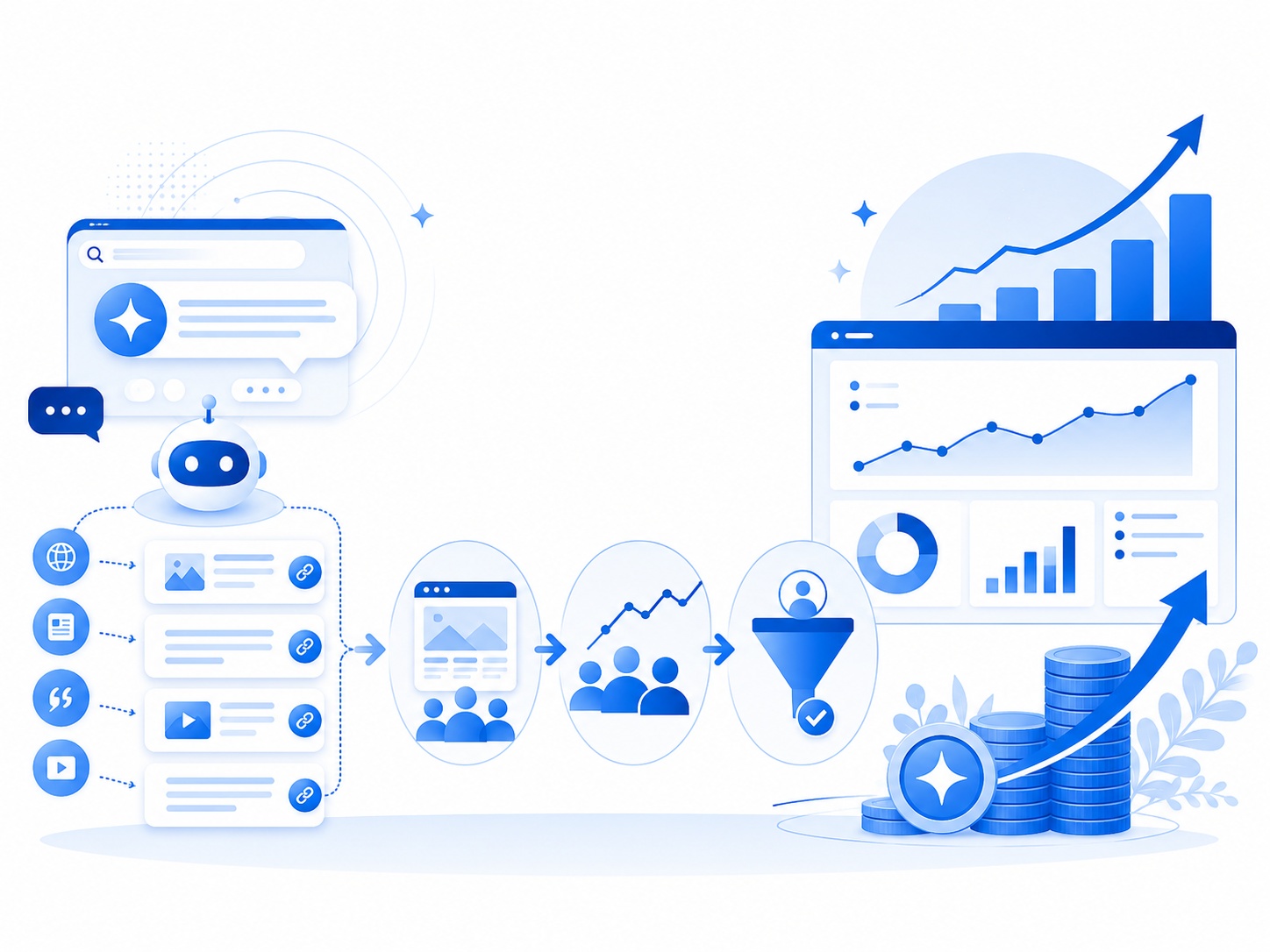
That matters because AI search is changing what visibility actually means. According to Bain & Company, nearly 80% of search users rely on AI-generated summaries for at least 40% of their searches, while around 60% of searches now end without the user ever clicking through to another website. Increasingly, users are getting answers, recommendations, and comparisons directly from AI interfaces rather than search results pages.
This means you could hold a top-three position for an important keyword and still discover that an AI response is recommending competitors, citing different sources, or answering the question without ever mentioning your brand.
That is where AI Mode tracking comes in. In this guide, we'll compare the best AI mode SEO tracking tools, including platforms that monitor prompts, citations, competitors, source URLs, and AI search visibility, so you can understand not just where you rank, but whether AI search is actually working in your favour.
What is AI mode SEO tracking, and why does it matter?
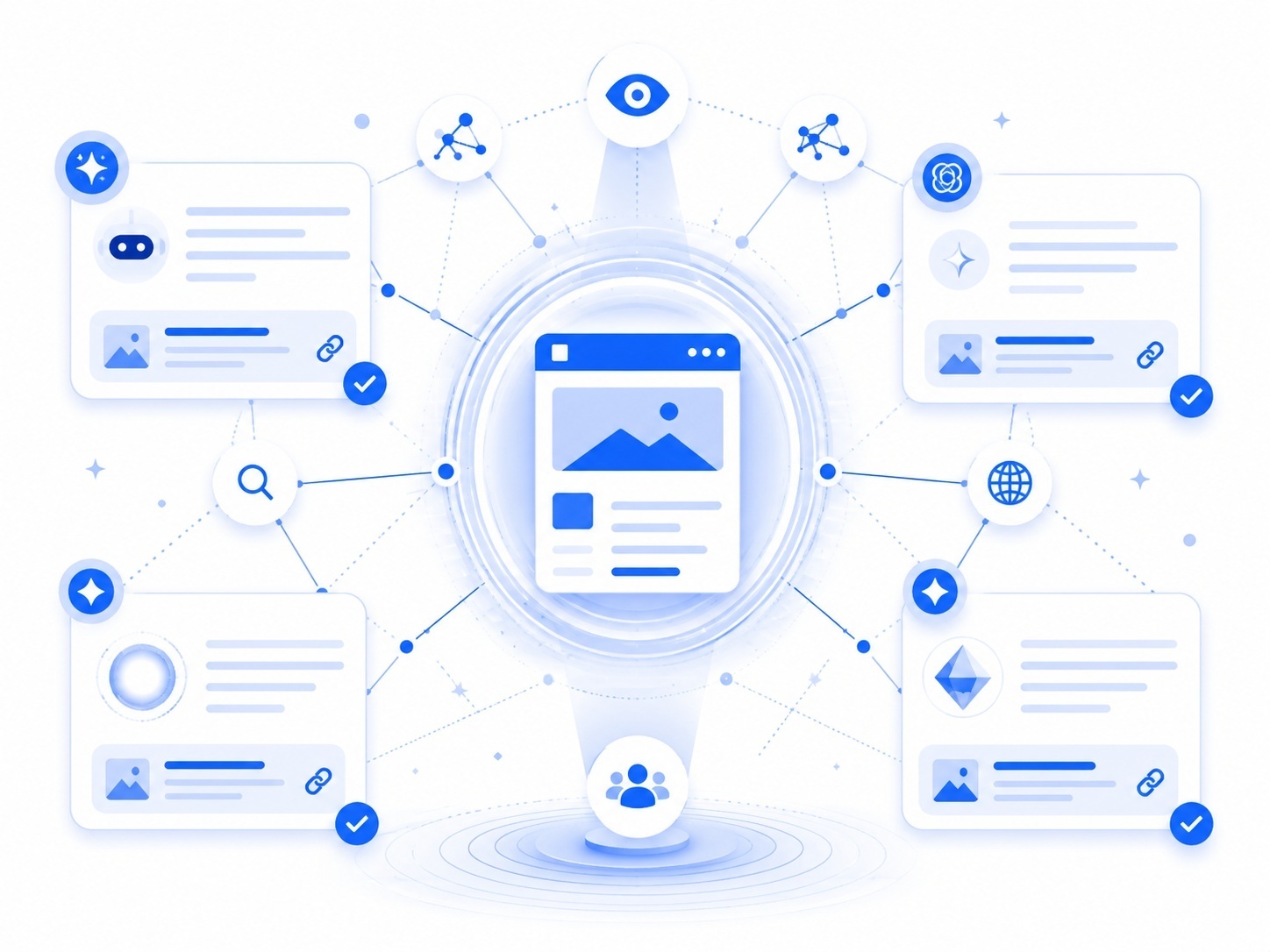
AI Mode SEO tracking measures how your brand appears inside AI-generated search experiences rather than simply tracking traditional rankings.
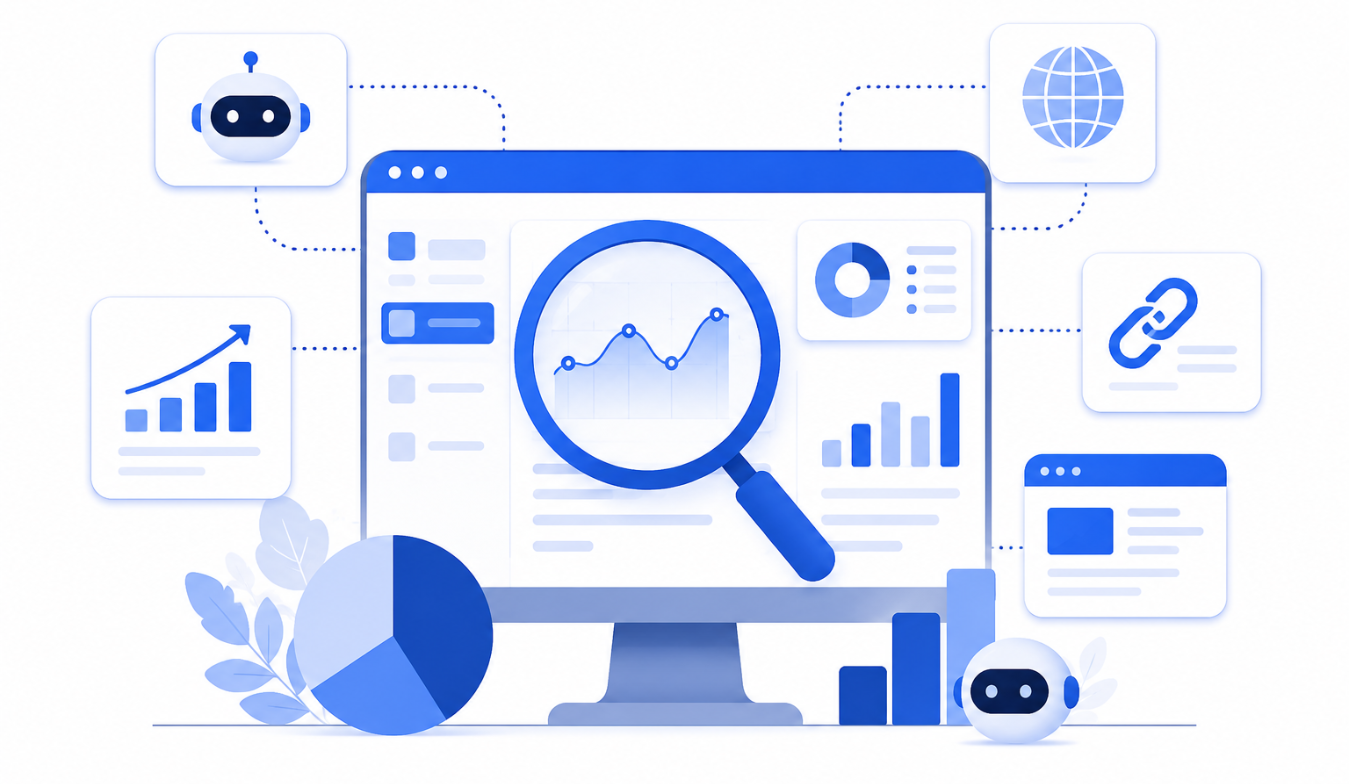
A modern AI mode SEO tracking tool helps answer questions such as:
- Is Google AI Mode mentioning our brand?
- Which competitors appear more often?
- Which URLs are being cited?
- Which prompts trigger our visibility?
- Are we gaining or losing search visibility?
Traditional SEO still matters. Keyword rankings still matter. Organic traffic still matters. However, traditional SEO metrics alone cannot show whether AI systems trust your content enough to include it in generated answers.
That is exactly why companies are investing heavily in the best AI mode SEO tracking tools in 2026.
AI SEO introduces an entirely new visibility layer that sits above traditional search rankings. The brands that understand this shift early will have a major advantage in digital marketing over the next few years.
How did we evaluate these AI-mode SEO tracking tools?
We tested each platform against the same commercial AI Mode prompts and evaluated them on two things: what they track and whether they help teams improve visibility after identifying gaps.
Tracking alone does not improve rankings or citations, so we gave additional weight to tools that support optimization and execution workflows.
Here's what each comparison category means:
- AI engines: The number of AI platforms supported beyond Google AI Mode, such as ChatGPT, Gemini, Claude, Perplexity, and Copilot.
- AI Mode support: Whether Google AI Mode tracking is available in standard plans or restricted to higher tiers.
- Citation analysis: Shows which sources and URLs AI systems cite when generating answers.
- Content workflows and optimization: Indicates whether the tool helps teams turn AI visibility insights into content updates, new content opportunities, and optimization actions.
- Prompt intelligence: Measures how well the platform helps teams discover and prioritize important prompts.
Quick comparison of AI-mode SEO tracking tools
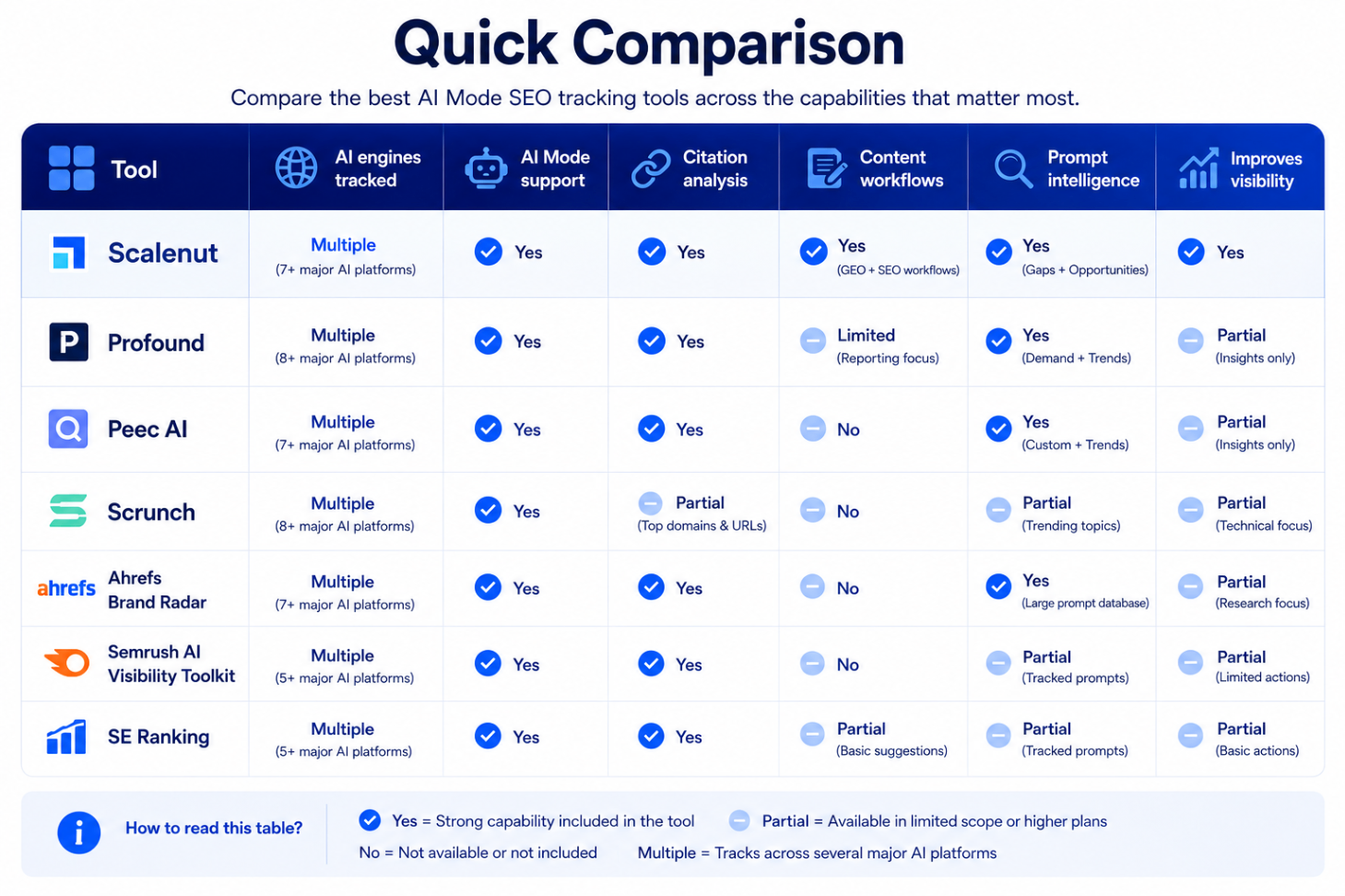
If your goal is simply monitoring AI visibility, most tools here will work well. If your goal is improving AI Mode performance, prioritize platforms that connect insights with execution.
What are the best AI mode SEO tracking tools in 2026?
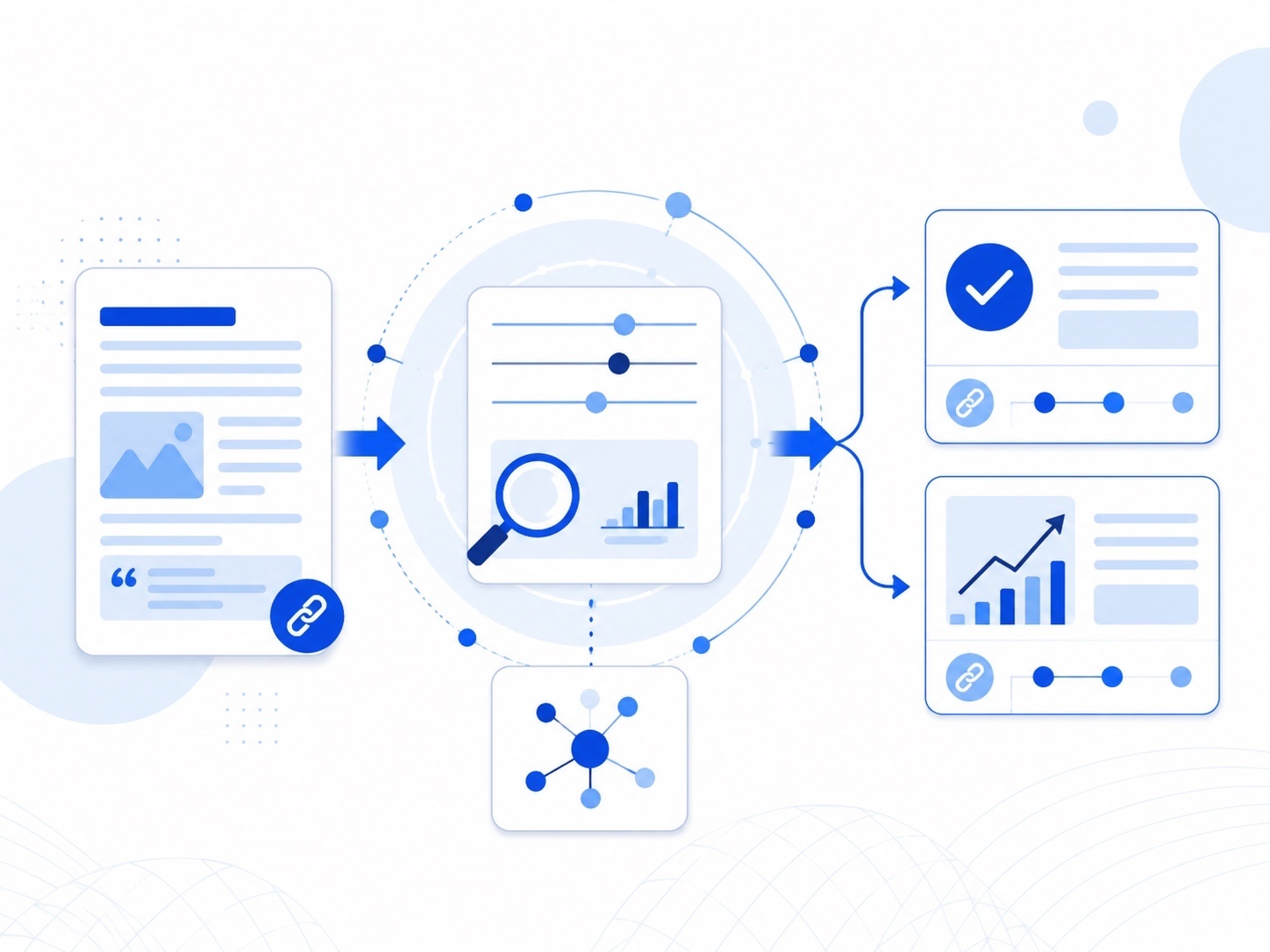
The best AI mode SEO tracking tools help you understand where your brand appears, which sources get cited, how competitors gain visibility, and what actions should come next.
Below, we'll compare the leading options by features, pricing, use cases, strengths, weaknesses, and best-fit teams.
1. Scalenut

Best for: SEO teams, content teams, marketing teams, and agencies that want to improve AI search visibility while managing optimization and publishing workflows in one place.
Scalenut is best suited for teams that want AI search tracking and content execution from the same platform instead of juggling multiple tools.
What are the key features of Scalenut?
- AI Mode visibility tracking: Tracks how frequently your brand appears inside Google AI Mode responses and how that visibility changes over time.
- Prompt and follow-up journey monitoring: Shows how your brand performs across initial prompts, conversational follow-up questions, and AI query fan-outs.
- AI answer positioning: Helps teams understand whether their brand is being recommended prominently or appearing lower within AI-generated responses.
- Citation and source analysis: Tracks citation share, citation rank, frequently cited URLs, and domains influencing AI Mode answers.
- Competitor AI visibility benchmarking: Compares Visibility Score, Share of Voice, citations, and mentions against competitors.
- Prompt and topic gap discovery: Identifies prompts where competitors appear, but your brand does not.
- AI bot traffic monitoring: Tracks AI crawler activity, AI referrals, and pages receiving the most AI attention.
- GEO execution workflows: Supports content creation, optimization, internal linking, and refresh workflows based on AI visibility insights.
What are the pros of Scalenut?
- Combines monitoring and execution in one workflow.
- Supports AI writing and content optimization.
- Helps identify content gaps quickly.
- Useful for GEO and generative engine optimization initiatives.
- Reduces reliance on multiple SEO tools.
What are the cons of Scalenut?
If you only want a simple AI mode SEO tracking tool, Scalenut may provide more functionality than required.
What does Scalenut pricing look like?
- Starter: $24/month
- Plus: $36/month
- Professional: $80/month
- VIP Service: Custom pricing
Is there a free trial?
Yes. Scalenut offers a free trial for teams that want to test AI search visibility and content workflows before committing.
How do users rate Scalenut?
- G2 Rating: 4.7/5
Who should choose Scalenut?
Choose Scalenut if you want to understand:
- Why competitors win AI answers
- Which prompts matter most
- Which pages need improvement
- Which actions can improve AI visibility fastest
For most organizations, Scalenut remains one of the best AI SEO tools for connecting AI search tracking with content execution.
Book a free strategy call today!
2. Profound
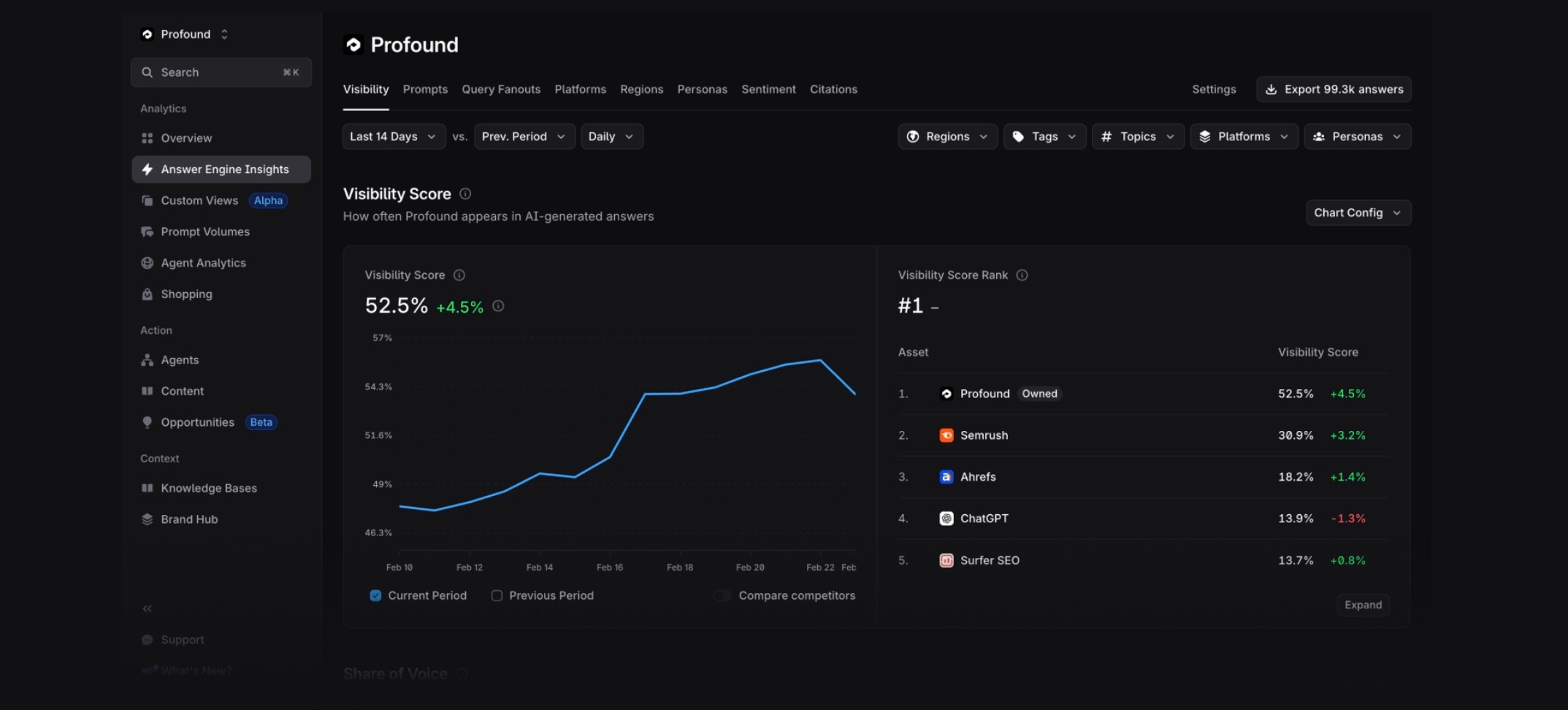
Best for: Enterprise brands, global businesses, and agencies managing large AI visibility programs.
Profound is built for enterprise organizations that treat AI visibility as a strategic business metric rather than simply another SEO report.
While some platforms focus on content workflows, Profound leans heavily into large-scale monitoring, executive reporting, and market intelligence.
What are the key features of Profound?
- Multi-engine AI visibility tracking: Monitors brand visibility across Google AI Mode, ChatGPT, Perplexity, Gemini, Claude, and other answer engines.
- Prompt demand intelligence: Identifies high-value prompts and topics that drive the most AI search exposure.
- AI citation share analysis: Tracks which sources, domains, and URLs AI systems cite most frequently.
- Competitor share of voice tracking: Compares how often competitors appear in AI-generated responses.
- Regional AI monitoring: Measures AI visibility across countries, languages, and markets.
- Executive AI reporting: Provides dashboards designed for leadership teams to monitor AI search performance.
- AI crawler analytics: Tracks AI bot activity and referral signals from answer engines.
- Enterprise AI trend analysis: Helps large organizations identify long-term shifts in AI visibility.
What are the pros of Profound?
- Strong enterprise reporting capabilities.
- Broad AI platform coverage.
- Detailed competitor intelligence.
- Useful for large-scale visibility programs.
What are the cons of Profound?
- Pricing may be difficult for smaller organizations.
- Focuses more on monitoring than execution.
- Higher learning curve than lighter platforms.
What does Profound pricing look like?
- Starter: $99/month
- Growth: $399/month
- Enterprise: Custom pricing
How do users rate Profound?
- G2 Rating: 4.9/5
Who Should Choose Profound?
Choose Profound if AI visibility is a strategic KPI that requires executive reporting and multi-market monitoring.
Wondering how Scalenut compares with one of the biggest names in AI visibility tracking? Explore Scalenut vs Profound AI to see which platform fits your SEO, content, and AI search strategy best.
3. Peec AI

Best for: Agencies, consultants, and SEO teams prioritizing prompt-level reporting.
Peec AI takes a focused approach by prioritizing prompt tracking, citation monitoring, and competitor analysis.
This makes it particularly attractive for agencies and SEO teams that want visibility reporting without broader content workflows.
What are the key features of Peec AI?
- Custom AI prompt tracking: Monitors visibility across the prompts that matter most to your business.
- Citation monitoring: Tracks which websites and sources AI systems reference in answers.
- Competitor AI benchmarking: Measures competitor mentions, citations, and visibility trends.
- AI share of voice reporting: Helps teams understand their presence relative to competitors.
- Prompt opportunity discovery: Identifies prompts where competitors appear but your brand does not.
- Source intelligence reporting: Reveals which domains influence AI-generated answers most often.
- Visibility trend monitoring: Tracks gains and losses in AI answer visibility over time.
What are the pros of Peec AI?
- Strong prompt-level reporting.
- Useful competitor insights.
- Clear and focused dashboards.
What are the cons of Peec AI?
- Requires additional tools for content execution.
- Less suited to teams looking for publishing or optimization workflows.
What does Peec AI pricing look like?
- Starter: $95/month
- Pro: $245/month
- Advanced: $495/month
- Enterprise: Custom pricing
How do users rate Peec AI?
- G2 Rating: 4.8/5
Who Should Choose Peec AI?
Choose Peec AI if prompt monitoring and competitor visibility matter more than content execution.
Looking beyond Peec AI for AI visibility tracking? Explore the best Peec AI alternatives and discover which platforms offer stronger citation analysis, prompt tracking, and content execution workflows for modern SEO teams.
4. Scrunch
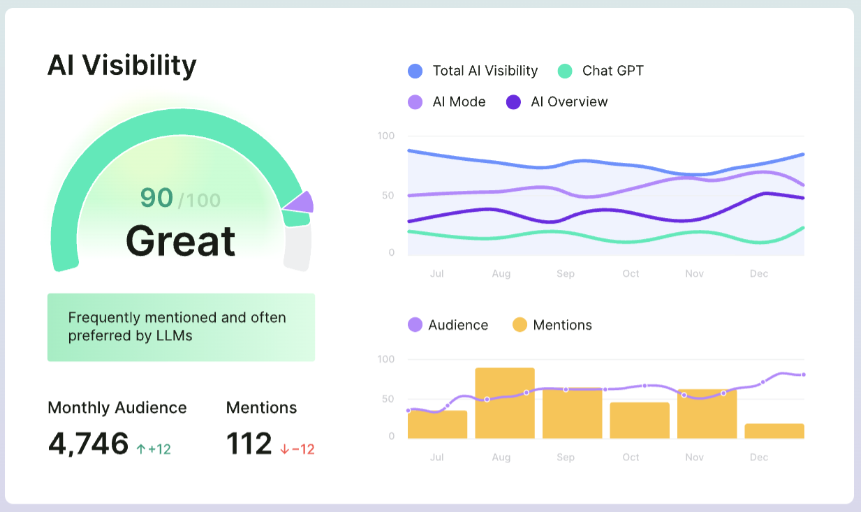
Best for: Technical SEO teams, ecommerce brands, and enterprise organizations.
Scrunch stands out by connecting AI visibility with technical SEO signals and AI crawler activity. Rather than focusing only on prompts and mentions, it helps teams understand how AI systems interact with their websites.
What are the key features of Scrunch?
- AI Mode visibility tracking: Measures brand presence across AI-generated search experiences.
- AI crawler monitoring: Tracks how AI bots access, crawl, and interact with your website.
- Citation and source analysis: Identifies which pages and domains contribute to AI visibility.
- AI referral tracking: Measures visits and engagement generated by AI platforms.
- Technical AI readiness analysis: Connects crawlability, indexing, and site health with AI visibility performance.
- Competitor AI monitoring: Benchmarks visibility against competing brands.
- Technical opportunity detection: Highlights issues that may limit AI discoverability.
What are the pros of Scrunch?
- Strong technical visibility insights.
- Excellent AI bot reporting.
- Useful referral analysis capabilities.
What are the cons of Scrunch?
- Higher pricing than many competitors.
- Technical workflows may overwhelm smaller teams.
What does Scrunch pricing look like?
- Starter: $250/month
- Growth: $417/month
- Enterprise: Custom pricing
How do users rate Scrunch?
- G2 Rating: 4.7/5
Who should choose Scrunch?
Choose Scrunch if technical SEO analysis and AI crawler monitoring are priorities.
5. Ahrefs Brand Radar
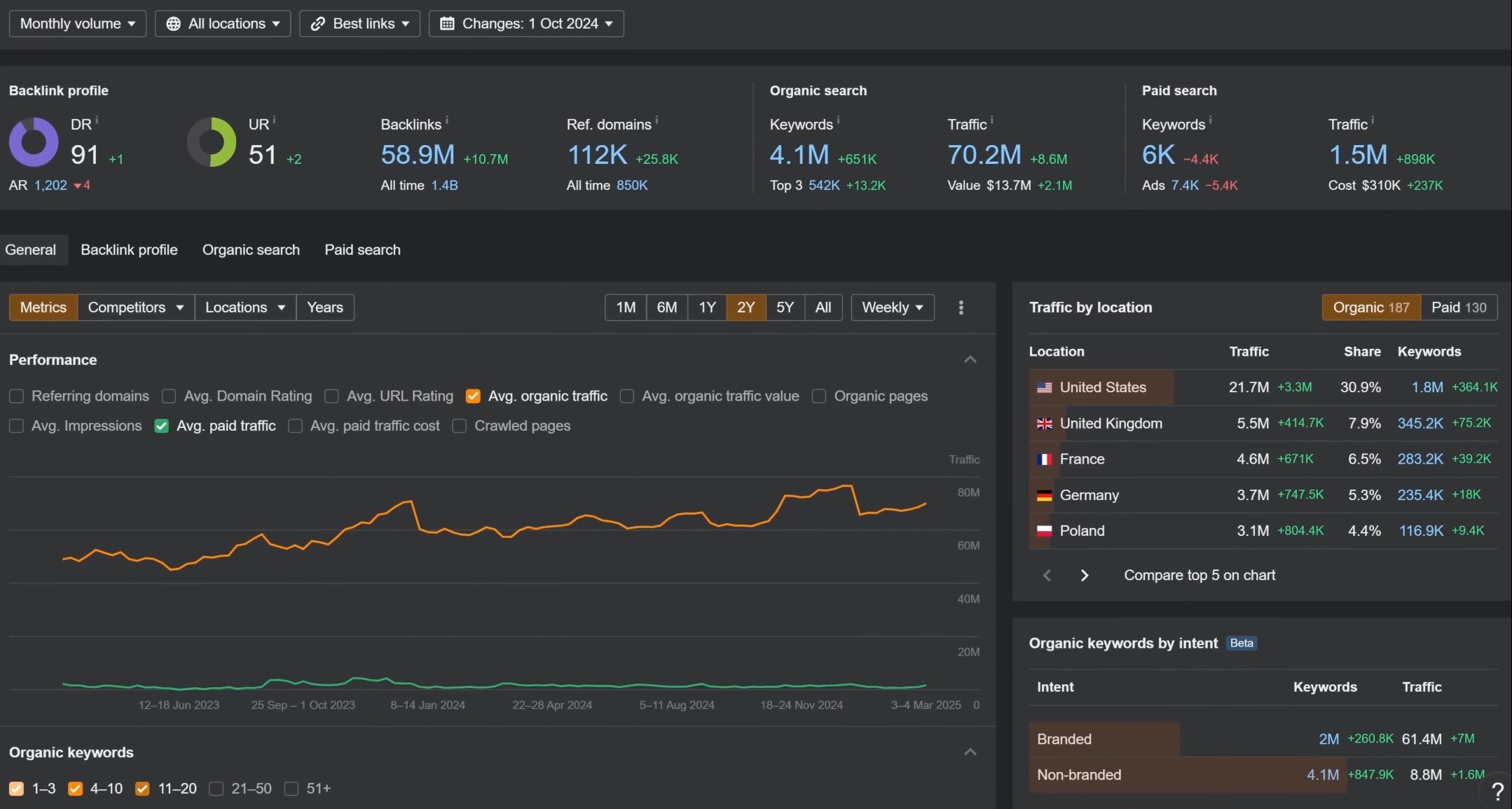
Best for: Existing Ahrefs users and research-heavy teams.
Ahrefs approaches AI visibility from a market research and discovery perspective. Rather than focusing exclusively on predefined prompts, it helps teams understand broader visibility patterns across topics, brands, and competitors.
What are the key features of Ahrefs Brand Radar?
- AI prompt discovery: Identifies prompts and topics where brands appear in AI responses.
- AI share of voice analysis: Measures visibility across topics, industries, and competitors.
- Citation intelligence: Tracks which domains and URLs are cited most frequently.
- Search-backed prompt research: Combines traditional keyword data with AI search behaviour.
- Competitor AI visibility benchmarking: Compares brand exposure against competitors.
- Cross-engine AI research: Supports visibility analysis across multiple AI systems.
- SEO and AI overlap analysis: Identifies opportunities where strong rankings do not translate into AI visibility.
What are the pros of Ahrefs Brand Radar?
- Strong citation intelligence.
- Large research dataset.
- Useful integration with traditional SEO workflows.
What are the cons of Ahrefs Brand Radar?
- Better suited for research than execution.
- Pricing can increase rapidly at scale.
What does Ahrefs pricing look like?
- Brand Radar AI: Starts at $199/month
- Custom prompts: Starts at $50/month for 2,500 checks
How do users rate Ahrefs?
- G2 Rating: 4.5/5
Who should choose Ahrefs?
Choose Ahrefs if market research, citation analysis, and AI search discovery are your priorities.
6. Semrush AI Visibility Toolkit
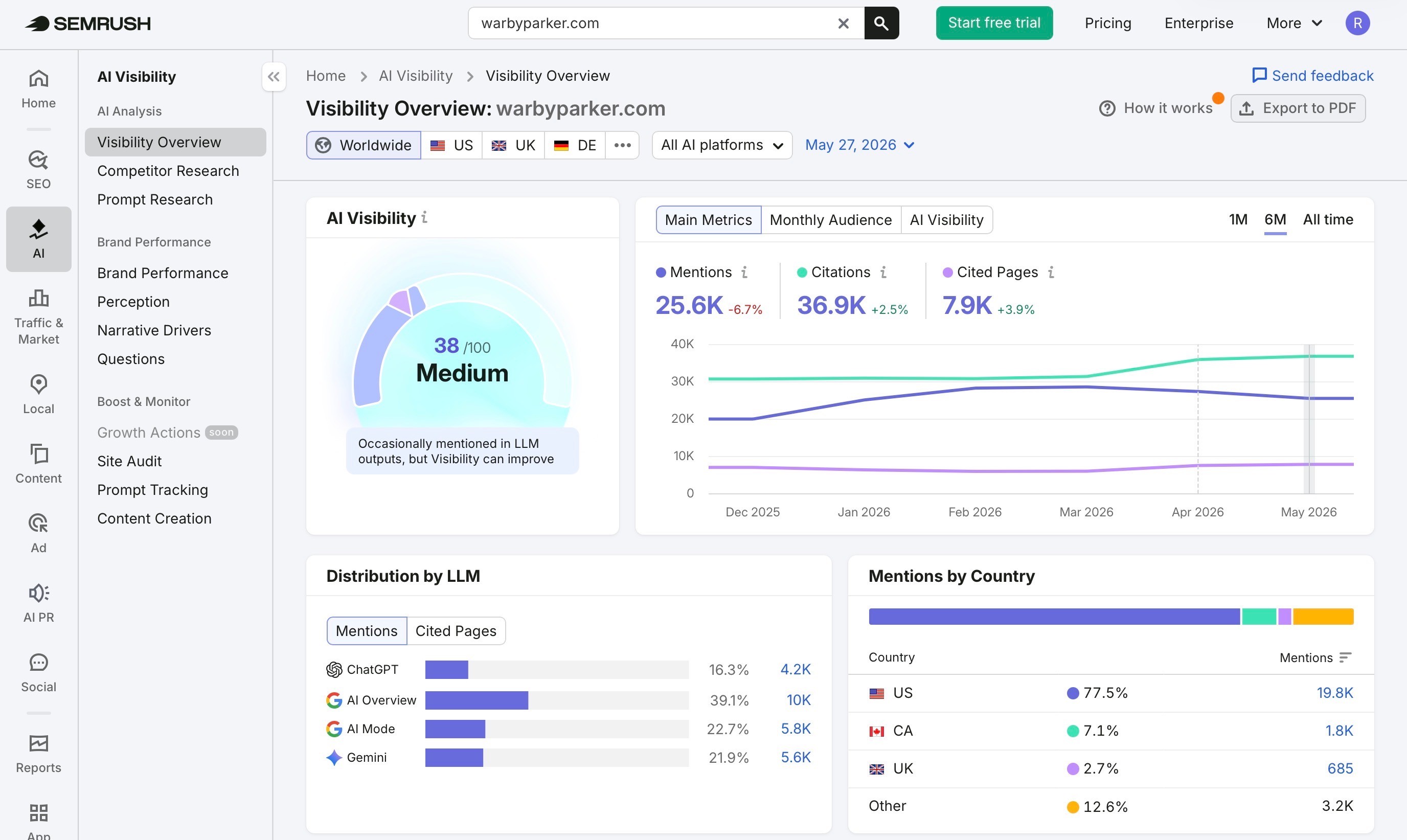
Best for: Existing Semrush users and marketing teams already using the platform.
Semrush integrates AI visibility reporting into its broader SEO ecosystem. For existing users, this reduces the need to adopt another standalone platform.
What are the key features of the Semrush AI visibility toolkit?
- Google AI Mode tracking: Monitors visibility inside AI-generated search experiences.
- Prompt-level visibility monitoring: Tracks brand performance across selected AI prompts.
- Citation analysis: Identifies the sources and pages influencing AI answers.
- Competitor AI reporting: Measures competitor mentions and visibility share.
- AI readiness checks: Highlights technical issues affecting AI discoverability.
- Traditional SEO integration: Connects rankings and AI visibility in one reporting environment.
- Sentiment and brand perception monitoring: Tracks how brands appear in AI-generated answers.
What are the pros of Semrush?
- Fits naturally into existing workflows.
- Strong competitor reporting.
- Useful technical insights.
What are the cons of Semrush?
- Additional domains increase costs.
- Prompt limits may become restrictive.
What does Semrush pricing look like?
- Base AI Visibility Toolkit: $99/month per domain
- Additional prompts and domains require add-ons.
How do users rate Semrush?
- G2 Rating: 4.5/5
Who should choose Semrush?
Choose Semrush if your organization already relies heavily on the Semrush ecosystem.
Thinking about Semrush for your SEO stack? Explore our detailed Semrush review to see where it excels, where it falls short, and whether it's the right fit for your team in 2026.
7. SE Ranking
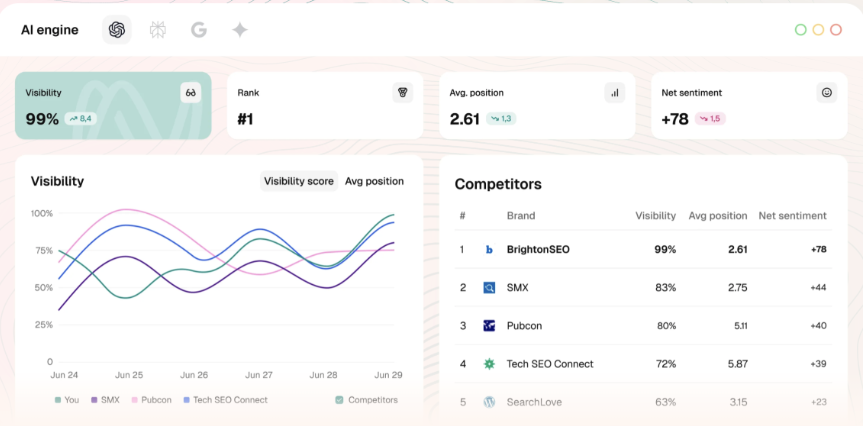
Best for: Agencies, consultants, and growing businesses.
SE Ranking aims to combine traditional SEO reporting with emerging AI visibility workflows. This makes it attractive for agencies and growing businesses that prefer a single reporting environment.
What are the key features of SE ranking?
- AI Mode visibility monitoring: Tracks how often brands appear in AI-generated responses.
- Prompt tracking: Measures performance across important commercial prompts.
- Citation analysis: Identifies the domains and pages AI systems trust most.
- Competitor visibility reporting: Tracks AI mentions and share of voice against competitors.
- SEO and AI performance comparison: Highlights pages that rank well but rarely appear in AI answers.
- Agency reporting dashboards: Supports client reporting for AI search visibility.
- Visibility trend monitoring: Tracks improvements and declines in AI presence over time.
What are the pros of SE Ranking?
- Strong agency workflows.
- Combines traditional SEO and AI tracking.
- More affordable than enterprise alternatives.
What are the cons of SE Ranking?
- AI functionality requires add-ons.
- Costs increase with additional features.
What does SE Ranking pricing look like?
- Core: $103.20/month
- Growth: $223.20/month
- AI Search Add-on: Starts at $71.20/month
How do users rate SE Ranking?
- G2 Rating: 4.8/5
Who should choose the SE ranking?
Choose SE Ranking if you want traditional SEO reporting and AI visibility insights within the same platform.
AI mode SEO tracking Vs AI overview monitoring: What is the difference?
AI Overview monitoring is narrower. It tracks whether your brand, URLs, or competitors appear inside Google's AI-generated summaries displayed directly on the SERP.
AI Mode SEO tracking is broader.
It measures visibility across conversational journeys that include:
- Follow-up questions
- Query fan-outs
- Contextual recommendations
- Dynamic citations
- Multi-turn conversations
This means an AI mode SEO rank tracking tool must monitor significantly more signals than a simple AI Overview checker.
In practical terms:
- AI Overview monitoring tells you how visible you are in Google's summary boxes.
- AI Mode tracking tells you how discoverable your brand is throughout Google's conversational experience.
This distinction is becoming increasingly important for teams focused on AI SEO and search optimization.
What features should you look for in an AI mode SEO tracking tool?

The best AI mode SEO analysis tools should answer more than: "Are we visible?" They should help teams understand:
"Why are competitors winning visibility, and what should we do next?"
The following capabilities often separate basic reporting tools from platforms that genuinely improve AI search performance.
1. Keyword research and prompt discovery
AI search behavior looks very different from traditional keyword searches.
A strong platform should help teams build prompt sets around:
- Pricing queries
- Alternatives and comparisons
- Product-specific searches
- Problem-led questions
- Commercial buying intent
The best tools combine keyword research with prompt discovery so teams can track the conversations buyers are actually having with AI search engines rather than simply monitoring traditional keywords.
2. Citation analysis
Citations are becoming one of the strongest trust signals in AI search.
Look for tools that track:
- Citation frequency
- Source URLs
- Citation share
- Top cited domains
Understanding who gets cited, and why, often reveals opportunities that rankings alone cannot uncover.
3. Competitor analysis
Competitor reporting should go beyond rankings.
A good platform should help you understand:
- Competitor visibility
- Share of voice
- Topic ownership
- Prompt coverage gaps
These insights make it easier to identify where competitors consistently win AI-generated answers and where your content strategy may need strengthening.
4. Historical visibility reporting
AI responses can change frequently due to model updates, source changes, and shifting prompts.
Historical reporting helps teams distinguish temporary fluctuations from genuine performance trends and measure whether optimization efforts are working over time.
5. AI crawler monitoring
Crawler activity can provide early signals about how AI platforms interact with your content.
Depending on the platform, useful signals may include activity from:
- GPTBot
- Google-Extended
- ClaudeBot
- PerplexityBot
- Bytespider
Crawler activity does not guarantee citations or mentions, but it can provide useful context around discoverability and content accessibility.
6. Content strategy recommendations
The strongest AI mode SEO analysis tools connect visibility insights with actionable recommendations.
That may include opportunities for:
- New content creation
- Blog updates
- Topic clusters
- Content briefs
- Content optimization workflows
The goal should not simply be reporting visibility gaps, but helping teams close them.
Ultimately, the best AI mode SEO tracking tools are the ones that connect insights with action. Reporting alone rarely improves visibility. Execution does.
How can you monitor AI mode SEO step by step?
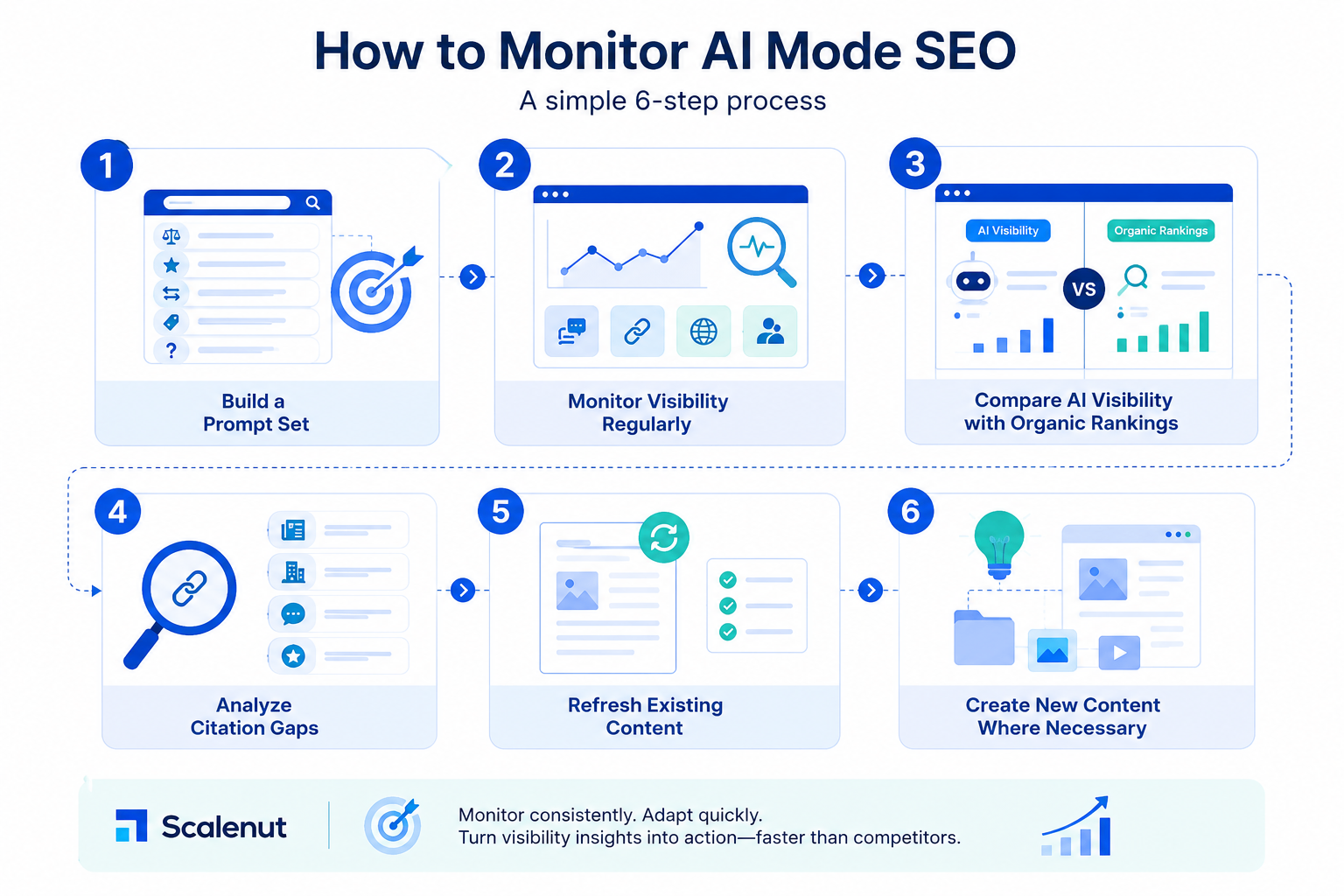
AI Mode tracking becomes much easier when teams follow a repeatable process instead of reacting to individual prompts or visibility changes.
1. Build a prompt set
Start by identifying the prompts that matter most to your business.
This usually includes:
- Comparisons
- Reviews
- Alternatives
- Pricing queries
- Problem-led searches
A smaller set of high-intent prompts is often more valuable than tracking hundreds of broad queries.
2. Monitor visibility regularly
Track how your brand performs across those prompts over time.
Focus on signals such as:
- Brand mentions
- Citations
- Source URLs
- Competitor visibility
Weekly monitoring is usually enough to identify meaningful changes without reacting to short-term fluctuations.
3. Compare AI visibility with organic rankings
One of the most useful exercises is comparing AI visibility against traditional SEO performance.
Look for pages that generate strong organic traffic but rarely appear in AI-generated responses. These gaps often indicate missing authority signals, weak citations, or incomplete topic coverage.
4. Analyze citation gaps
When competitors consistently appear in AI answers, look at the sources supporting those responses.
Pay particular attention to:
- Editorial publications
- Industry websites
- Forums and communities
- Review platforms
These sources often reveal the authority signals AI systems trust most.
5. Refresh existing content
Not every visibility problem requires new content.
Many improvements come from strengthening existing pages through:
- Updated statistics
- Better examples
- Improved internal linking
- Stronger meta descriptions
- Clearer search optimization
In many cases, improving an existing page is faster and more effective than publishing a new one.
6. Create new content where necessary
Some visibility gaps point to genuine content opportunities rather than optimization issues.
These insights can help teams prioritize:
- Topic clusters
- New content ideas
- Supporting resources
- Content marketing initiatives
The strongest AI visibility strategies combine content creation with continuous optimization rather than treating them as separate activities.
AI Mode visibility is unlikely to become a one-time project. The brands that perform best will usually be the ones that monitor consistently, adapt quickly, and turn visibility insights into action faster than competitors.
Want to see where your brand appears in AI Mode, which sources influence visibility, and what actions to take next? Tools like Scalenut can help teams connect AI tracking insights directly with content optimization and execution workflows.
Conclusion
AI Mode is changing how brands earn visibility, recommendations, and trust in search. Rankings and organic traffic still matter, but they no longer tell the whole story. The right AI mode SEO tracking tool helps you understand which prompts you own, where competitors are winning, and which actions will improve your visibility fastest.
Whether you need enterprise reporting, technical insights, or content execution, the goal remains the same: move beyond measuring AI visibility and start improving it. The teams that adapt early will be the ones that benefit most from the next phase of search.
For teams that want more than reporting dashboards, Scalenut stands out by connecting AI visibility insights directly with content creation, optimization, and publishing workflows. Instead of discovering gaps and switching between multiple tools to fix them, teams can move from insight to execution in one place.
Curious which prompts your competitors dominate, which sources AI engines trust, and where your biggest visibility opportunities lie? Explore Scalenut's AI search capabilities and see how your brand performs across the new generation of search experiences.
Frequently asked questions
What are the best AI-powered SEO tracking tools available in 2026?
Some of the leading options include Scalenut, Profound, Peec AI, Scrunch, Ahrefs Brand Radar, Semrush AI Visibility Toolkit, SE Ranking, Otterly.AI, and Keyword.com. The right choice depends on whether you prioritize monitoring, content generation, competitor tracking, or broader SEO software capabilities.
How do AI mode SEO tracking tools improve SEO performance?
AI mode SEO tracking tools help teams understand which prompts trigger their brand, where competitors are winning citations, and which topics require stronger coverage. These insights support better content optimization, keyword suggestions, and more informed SEO tasks beyond traditional search results.
What features should I look for in an AI mode SEO tracking tool?
Look for prompt tracking, citation analysis, competitor reporting, sentiment analysis, historical visibility reporting, and AI crawler monitoring. The strongest optimization tools also include content editor workflows, content score improvements, content generation capabilities, and broader SEO features that support execution.
How accurate are AI SEO tracking tools compared to traditional rank trackers?
AI SEO tracking tools provide directional visibility insights rather than exact rankings because AI responses vary by prompt, location, and context. Traditional rank trackers remain important, but AI tracking adds another layer of visibility that traditional search results alone cannot capture.
Can AI mode tools track and report on competitor SEO performance?
Yes. Most leading platforms include competitor visibility benchmarking, citation analysis, share of voice reporting, and SERP analysis capabilities. This helps teams understand which competitors are being surfaced by AI systems and why they may be winning visibility for a target keyword.
Do I still need traditional SEO software if I use AI SEO tools?
Yes. AI visibility tracking complements rather than replaces traditional SEO software. Teams still need keyword research, backlink analysis, technical audits, and performance reporting alongside AI features. The strongest strategies combine both approaches rather than treating them separately.
Are there free AI SEO tracking tools that offer reliable results?
Free tools can provide basic insights, but most cannot track AI Mode citations, prompt visibility, competitor mentions, or source URLs. For reliable AI search analysis, teams typically need dedicated platforms or free trials that offer deeper visibility and reporting capabilities.


.svg)


.webp)